
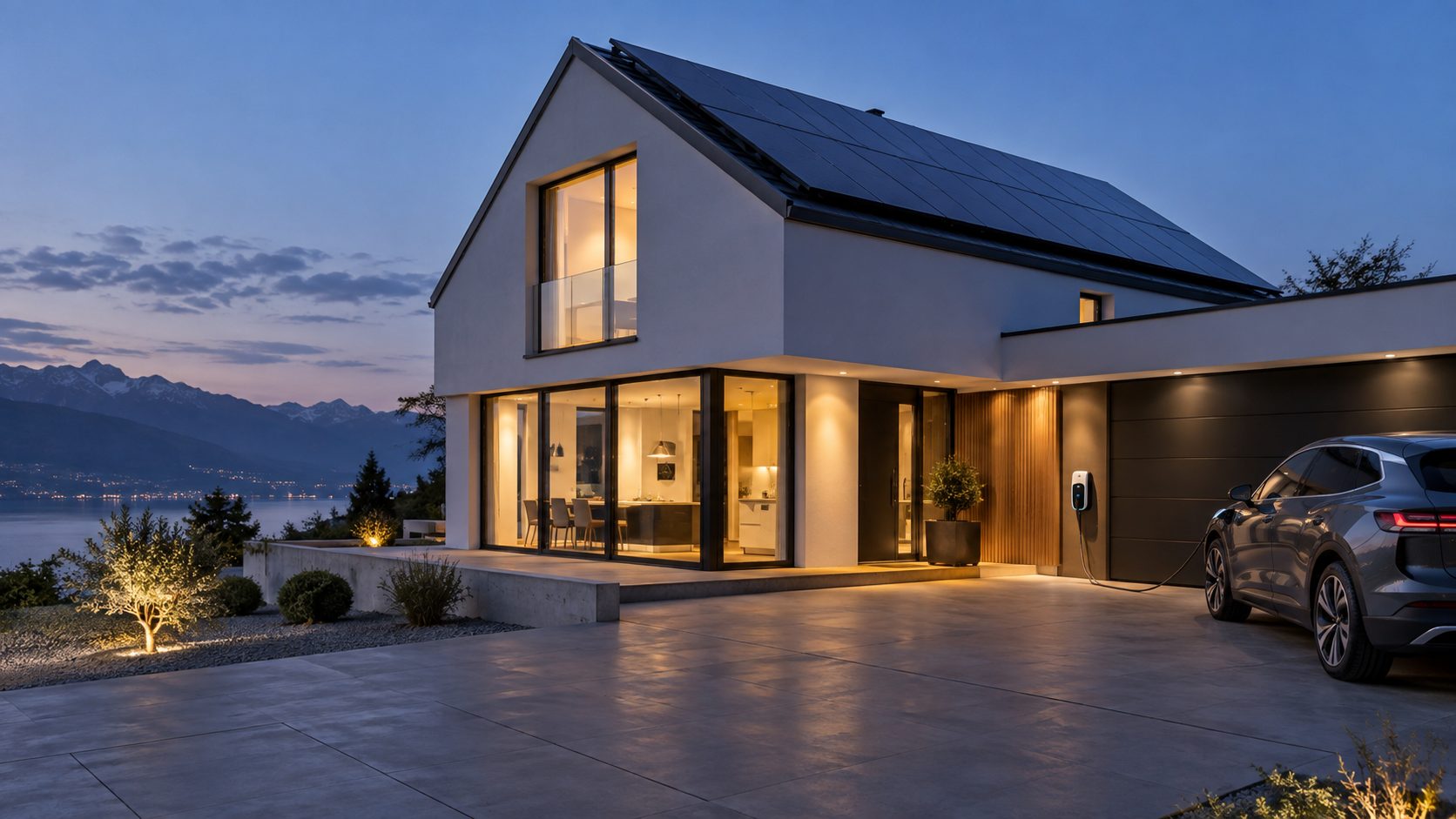
Smart Energy
A home that knows when to use its energy.
Smart Energy coordinates your solar installation, your battery, your heat pump and your charging station, prioritising them according to what your home generates and consumes.
The benefits
How Smart Energy transforms your home.
Solar generation, battery storage, heat pump, charging station and the grid all serve different purposes. Smart Energy coordinates them to distribute the available energy more effectively, precisely when it is needed.
Use more of your solar power
Compatible appliances can be scheduled for times when your generation covers your needs.
Reduce reliance on the grid
A share of the energy you use comes directly from what your installation generates or what your battery stores.
Limit peak consumption
Your heat pump and vehicle charging can be coordinated to prevent them from running simultaneously.
Stay in control
You maintain full visibility over automated operations, with the option to intervene manually at any time.
A day with Smart Energy
A different decision every hour.
Typical operational example — actual performance depends on your installation, the weather and your priorities.

This is not merely a scheduled timer.
Where the solution permits, every decision takes into account real-time generation, battery status, vehicle requirements and, depending on the system, weather forecasts or electricity tariffs.
Regulations & subsidies
Find all the procedures, planning permissions and financial support available for your project.
What Smart Energy coordinates
Every piece of equipment plays a distinct role in the system.
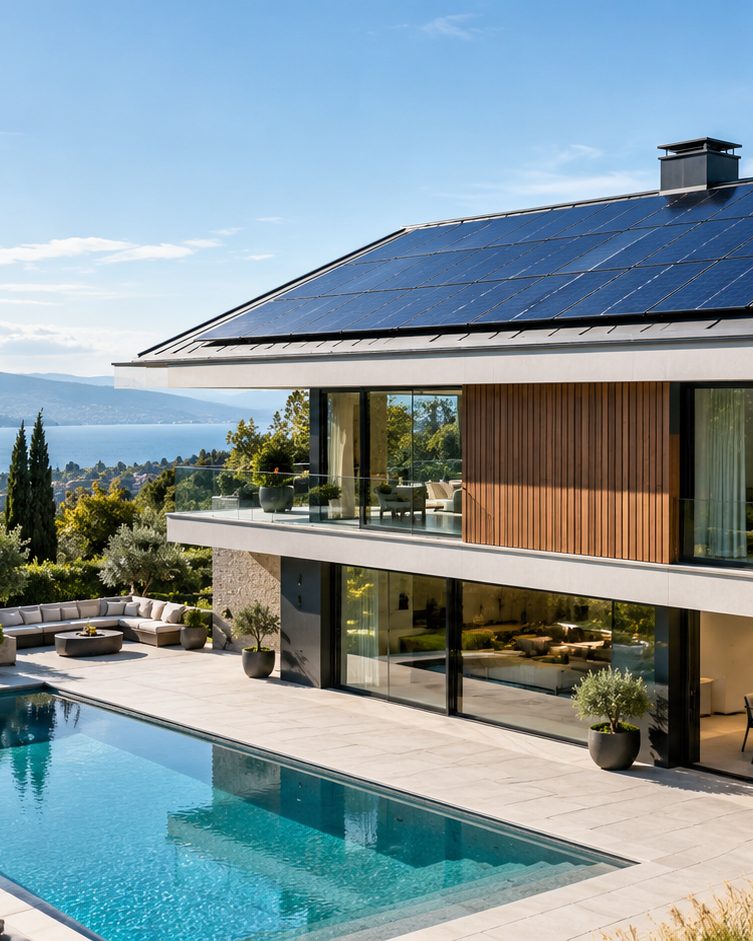
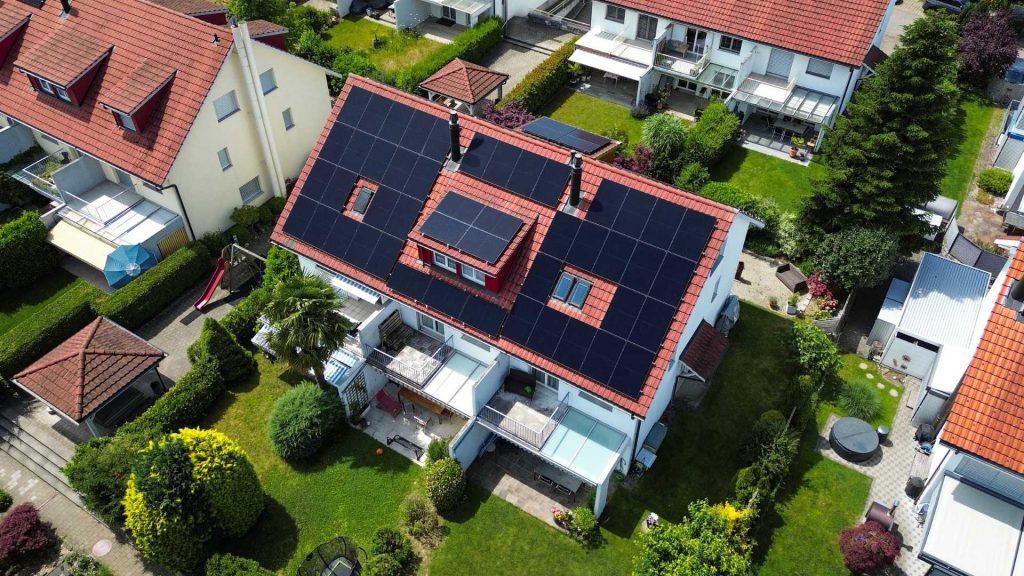
Local energy source: generation varies according to sunshine levels and does not always align with your home’s immediate needs.
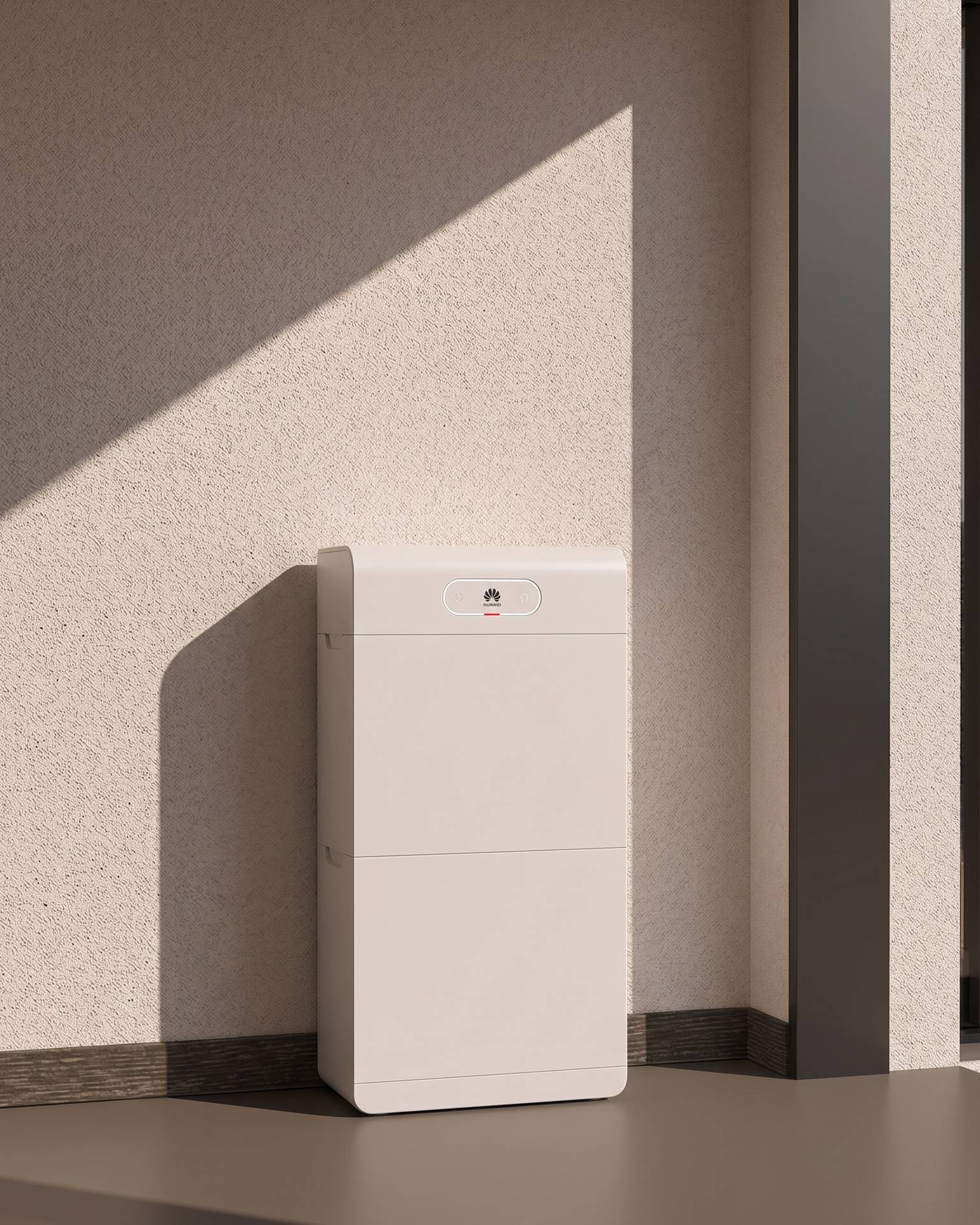
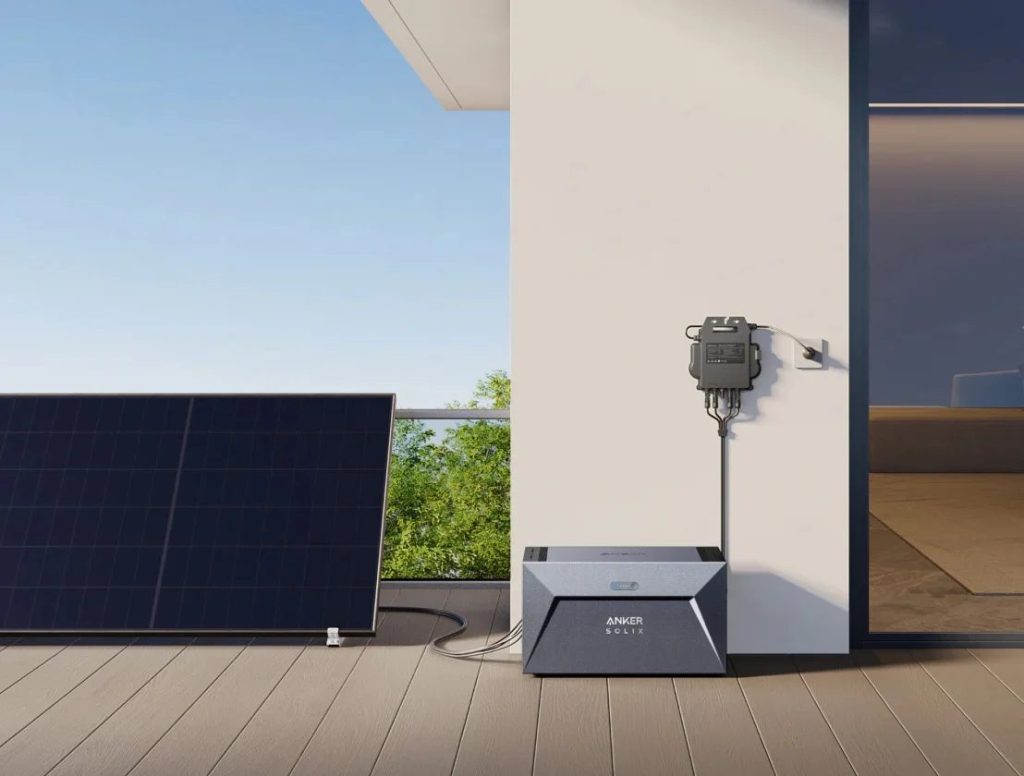
Stores surplus power to supply it later, when solar generation is no longer sufficient.
Everyday household consumption remains the primary priority when distributing available energy.
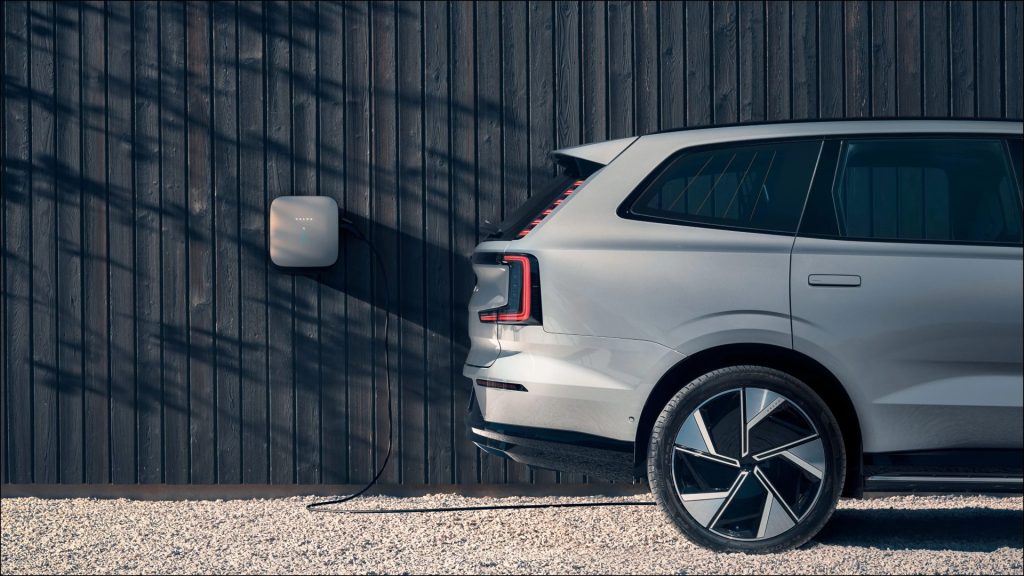
A significant consumer of electricity, parts of which can be brought forward or postponed depending on available energy.
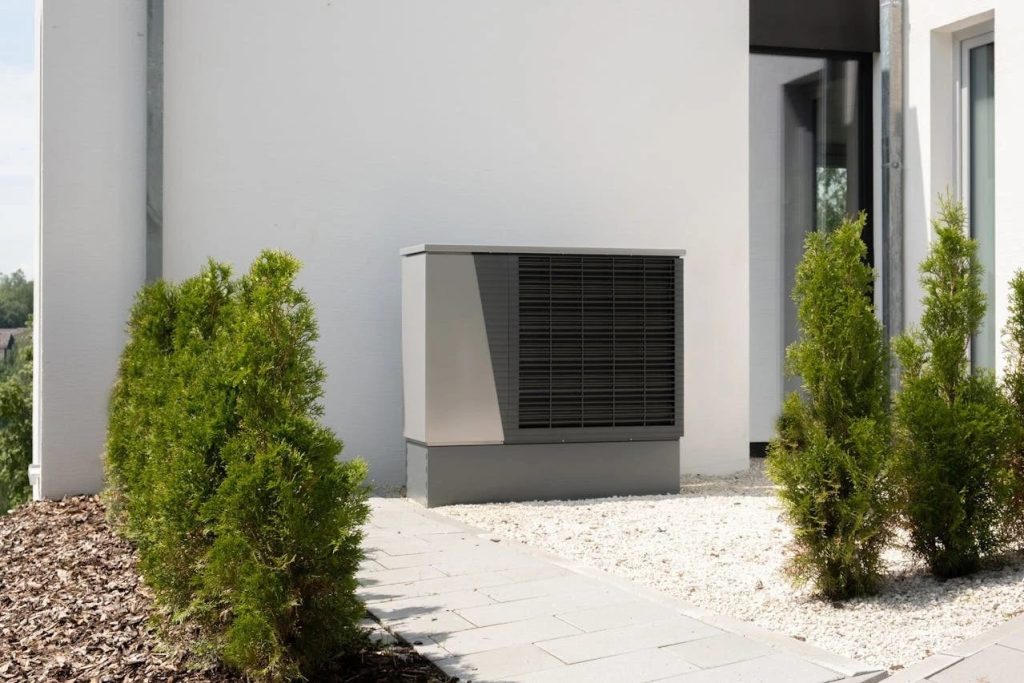
A substantial load that can typically be shifted over time to take full advantage of surplus solar power.
Covers any energy demands not met by generation, and receives power that is neither used nor stored.
Upgrade your installation, just like they did.
Check its compatibility with Smart Energy.
Solar, battery, heat pump or charging station: Smart Energy can often integrate with your existing equipment, subject to compatibility.
When to switch to Smart Energy
When your energy benefits from coordinated management.
01
You regularly feed surplus solar power into the grid
Part of your generation is fed back into the grid, even though certain uses could be shifted to peak generation hours.
02
Your home features several energy systems
Solar, battery storage, heat pump and charging station deliver far greater benefits when coordinated rather than managed in isolation.
03
Your major energy demands overlap
Vehicle charging, heating and other appliances can draw on available power at the same time. Coordinated management balances these requirements more effectively.
04
Your energy requirements are evolving
Adding a battery, a heat pump or an electric vehicle: Smart Energy unites these new demands under a cohesive operational strategy.
Intelligent management
Displaying your data is not the same as putting it to work.
Smart Energy does not just monitor your installation: it leverages your data to optimise your equipment whenever it is compatible.

Understanding your energy
Monitoring
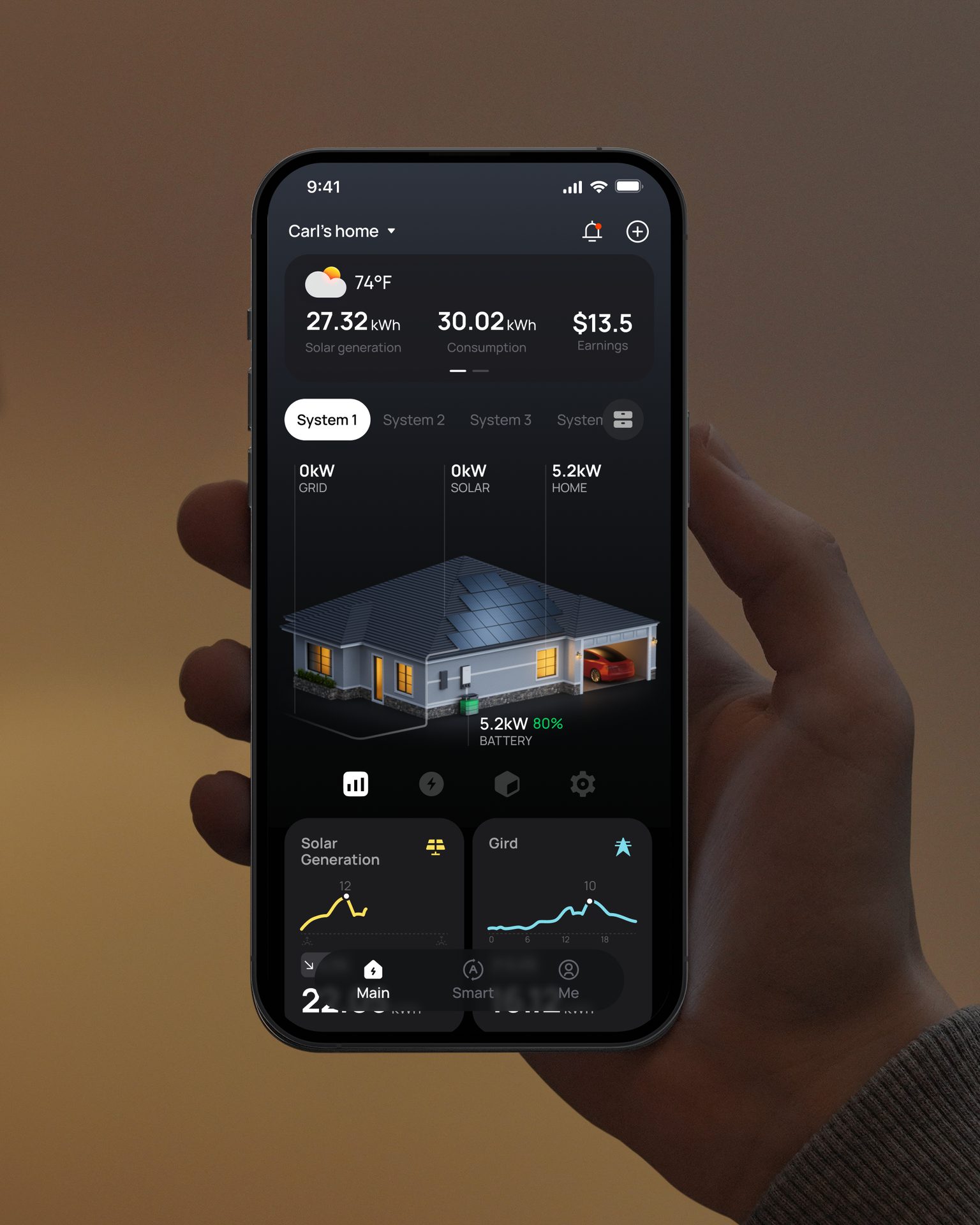
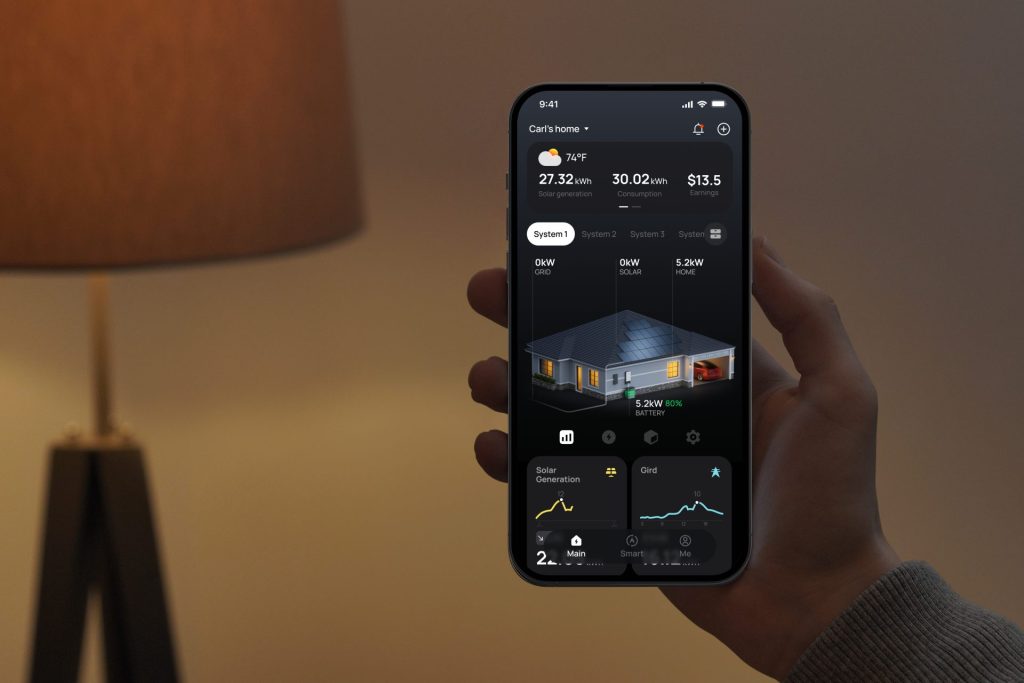
Generation, consumption, battery storage and grid: monitoring collates data from your installation to provide a clear picture of how it operates throughout the day.
View your power flows in real time
Lorem ipsum dolor sit amet.
Understand your habits
Historical data helps identify when you generate, when you consume the most, and when generation and demand diverge.
Spot changes more quickly
An unexpected drop in output, loss of communication, or specific alerts can be flagged via monitoring, helping resolve issues sooner.
Controlling your energy
Your data turned into decisions.
Energy management uses system insights to coordinate compatible equipment based on available generation, household needs and your priorities.
Direct surplus power where it is needed most
When generation exceeds immediate demand, the system can prioritise compatible uses such as the battery, vehicle charging or specific heating requirements.
Shift flexible electricity usage
Vehicle charging, battery storage or certain heating functions can be moved to more advantageous periods, provided the equipment and system allow.
Coordinate rather than manage in isolation
Batteries, heat pumps and charging stations can all be operated under a unified energy strategy, with priorities tailored to your installation and your requirements.
Electricity tariffs
Smart Energy can adapt specific energy uses to tariff schedules, where your installation and contract allow.
Solar energy solution
Management tailored to your home.
A solution designed around your equipment.
Solar, battery, heat pump or charging station: Smart Energy adapts to the compatible equipment in your installation. The most suitable configuration is confirmed during the assessment carried out by the Younergy team.
Compatibility & interoperability
Not all equipment is controlled in the same way.
Every installation is assessed before being integrated.
Solar, battery, heat pump or charging station: Smart Energy adapts to the compatible equipment in your installation. The most suitable configuration is confirmed during the assessment carried out by the Younergy team.
Switch to smart energy management, just like they did.
Manage your energy intelligently.
Solar, battery, heat pump and electric charging: Smart Energy coordinates your equipment to optimise consumption and use your energy at the ideal moment.
Our projects
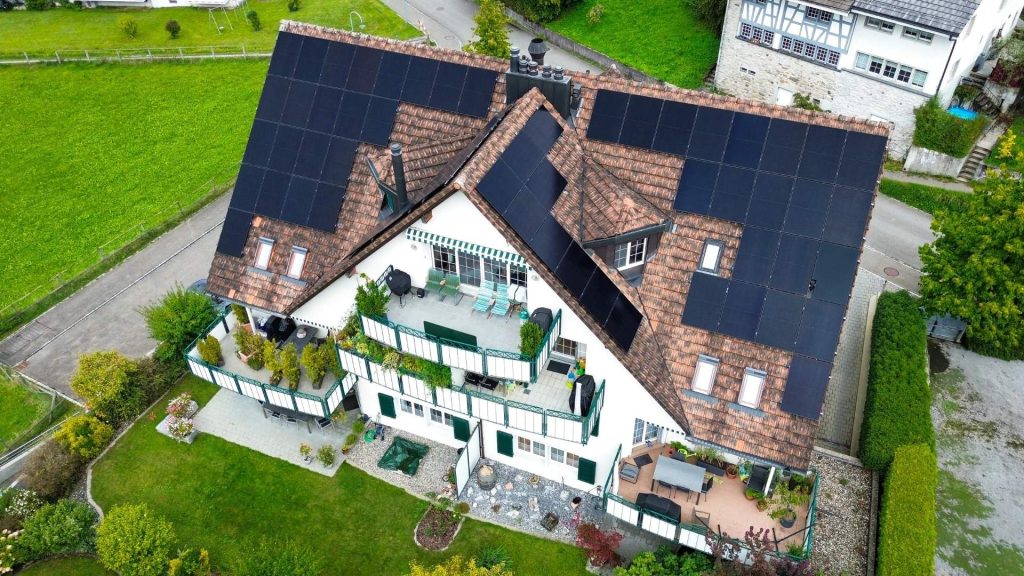
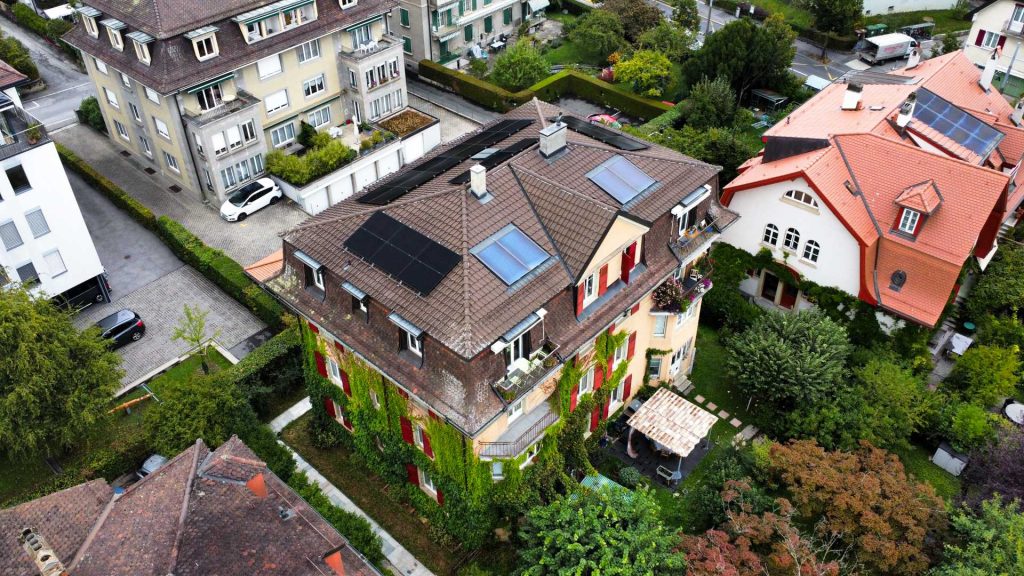
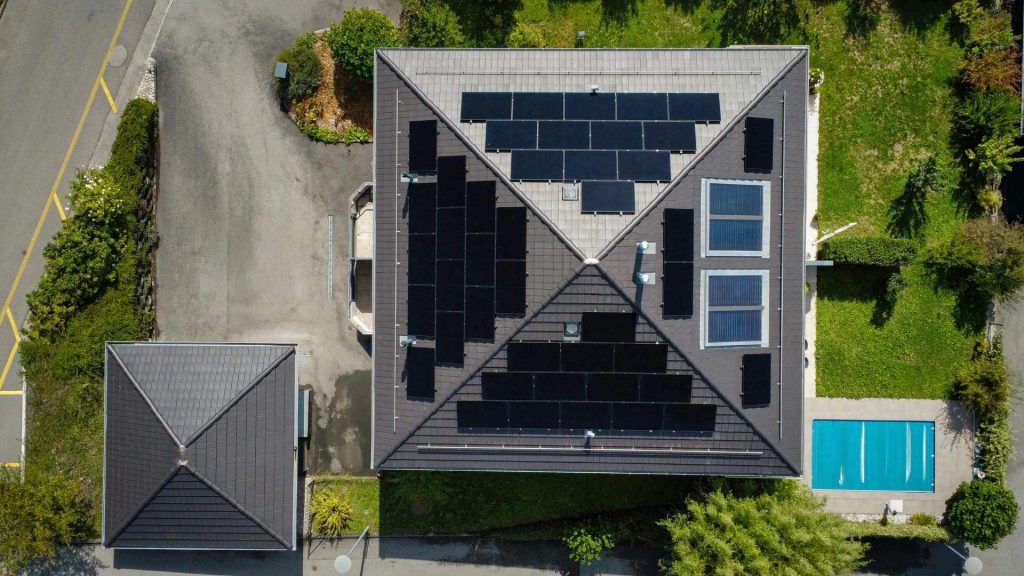
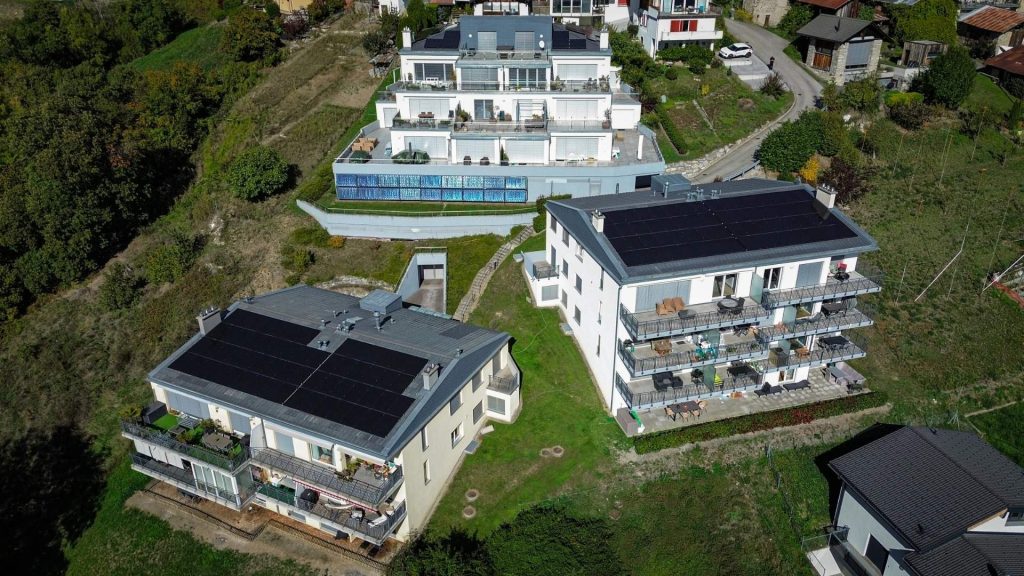
When all your home’s energy works as one.
FAQ
An energy management system (EMS) continuously monitors generation, consumption and the status of compatible equipment, coordinating their operation rather than controlling each unit separately.
Monitoring displays what your installation generates and consumes. Energy management goes one step further: it actively controls compatible equipment, for example by shifting charging times or preserving battery storage.
This depends on the installed brands and communication protocols: batteries, heat pumps and charging stations are most commonly integrated, though not all offer the same level of control — some can only be monitored.
Coordination is still possible without a battery, for instance by prioritising solar power for the heat pump or electric vehicle charging. However, flexibility is more limited than with a dedicated storage system.
In many cases, yes, depending on the inverter, the presence of a smart meter and the communication protocols available on your equipment. This is evaluated on a case-by-case basis, without necessarily having to replace the entire system.
Yes, provided both units are compatible: the system can prevent them from drawing from the grid simultaneously, taking available solar generation into account.
Our services
All your energy solutions in one place
-

Produce
Solar
-
Use
Storage
-
Use
Heat pump
-
Use
e-mobility
-
Control
Smart Energy
-
Control
Maintenance