
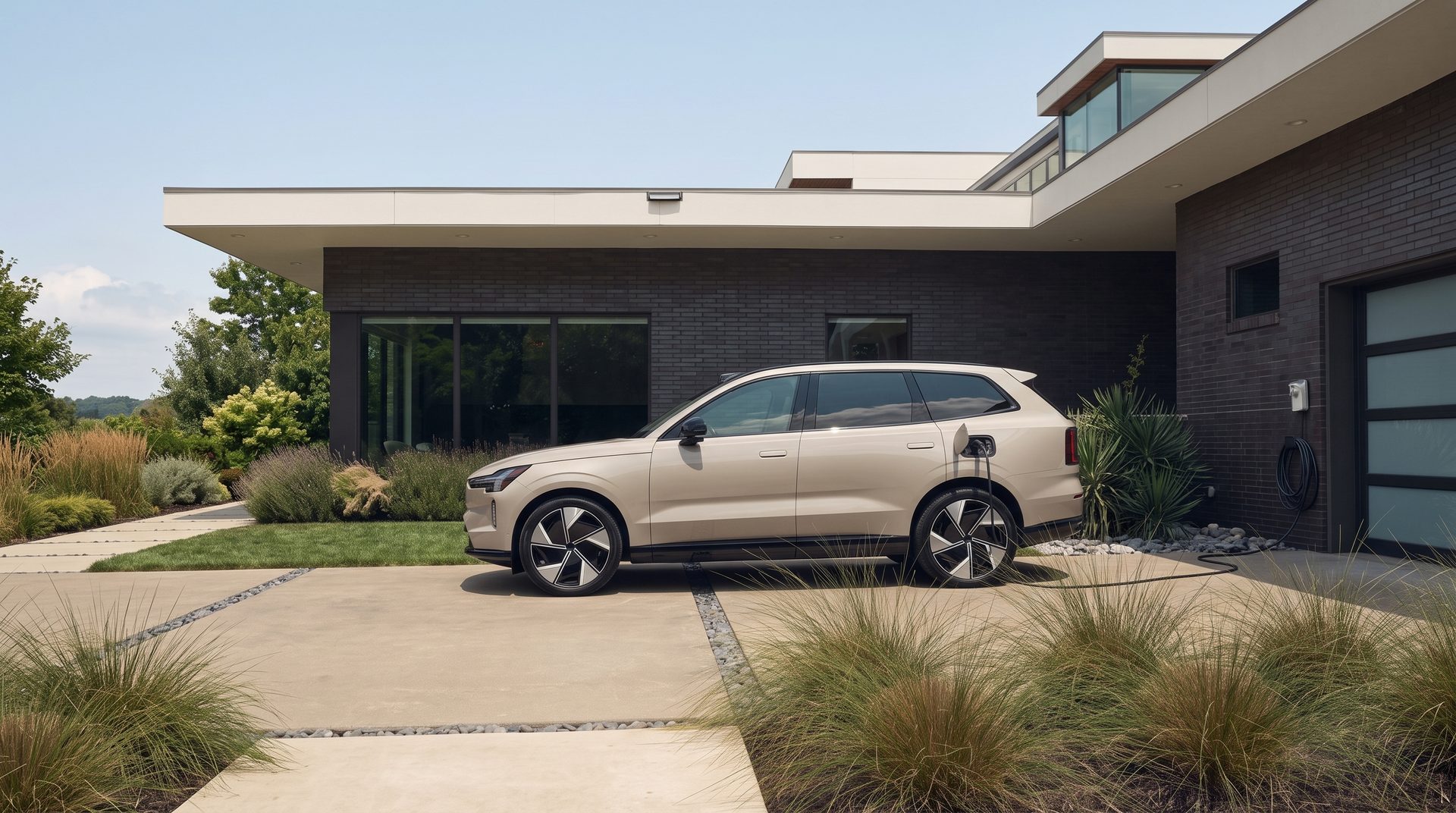
e-mobility
Your car, recharged with your home’s energy.
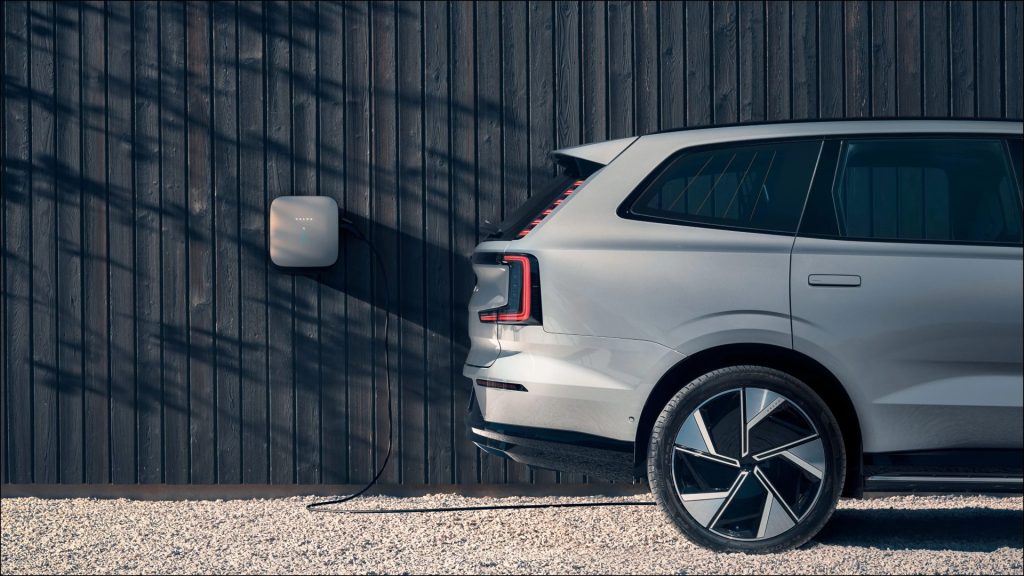
A charging station connected to your installation transforms charging into just another use of energy, coordinated with your solar panels, your battery and the rest of your equipment.
The benefits
The difference a home charging station makes.
The convenience of charging
Plug in your vehicle at home and regain the range needed for your next journey.
Priority to self-consumption
Prioritise the use of solar surplus whenever it is available.
Charging control
Schedule or adapt charging according to your needs and available energy.
Smart power management
The charging station adjusts the power sent to your vehicle based on your solar production.
How your car recharges
Charging that follows your energy, hour by hour.
Based on your solar production and consumption, the charging station adjusts the power sent to your vehicle throughout the day.

Regulations & subsidies
Find all the procedures, authorisations and grants available for your project.
Let’s study your installation
Effective charging depends on several factors.
Your vehicle, your electrical connection, your existing equipment and your future needs guide the choice of charging station and its installation.
01
Your vehicle
Accepted power and compatibility with the charging station.
02
Your habits
Journeys, schedules and charging frequency.
03
Your connection
Available power, existing electrical installation and adaptation if necessary.
04
Your solar production
Available surplus and self-consumption potential.
05
Location of the charging station
Distance, cabling and parking access.
06
Your future needs
Second vehicle, battery or heat pump.
Brands renowned for their reliability.
Our partner brands


Adopt a global vision of energy.
Which charging solution for your car at home?
Younergy studies your vehicle, your installation and your needs to propose the most coherent charging solution.
Conventional or bidirectional
Two charging logics, two levels of maturity.
In most installations, energy flows from the grid or solar panels to the car. Certain configurations also allow the car to return part of its energy to the home.
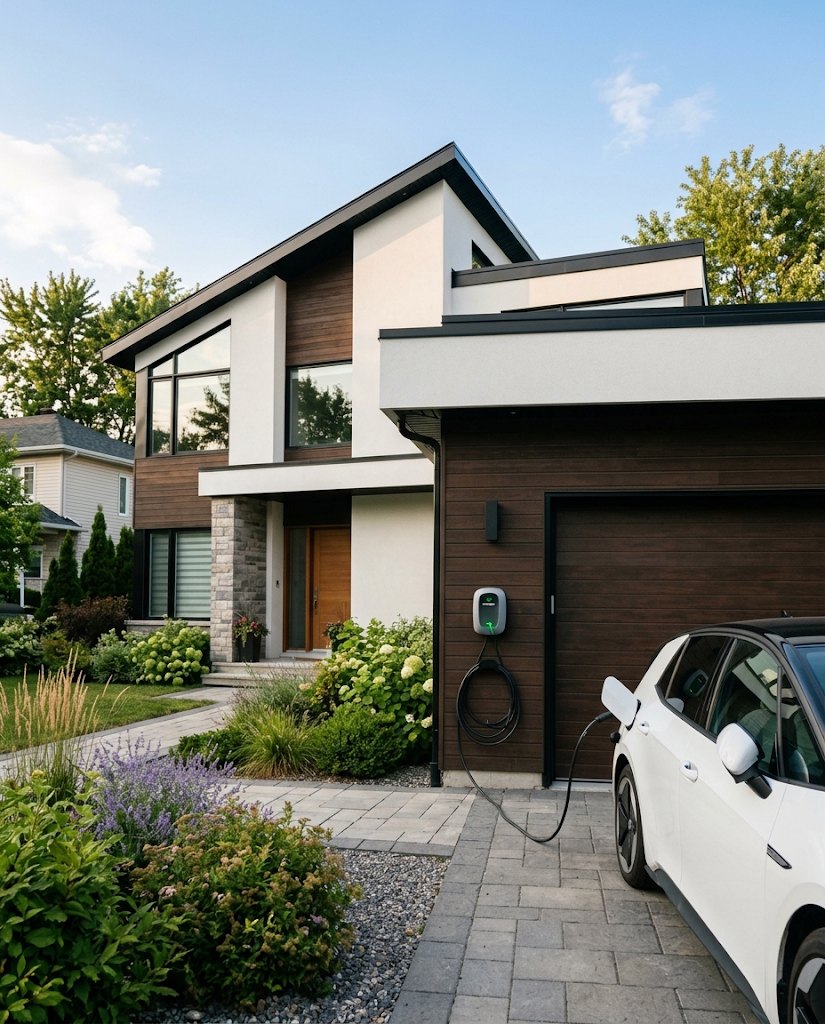
Grid / solar → car
Conventional charging
Depending on the charging station and the system, charging can be scheduled, give priority to solar, adapt the power and offer monitoring via an app.
Scheduled charging according to your needs
Plan charging at times that best suit your habits.
Priority given to your solar energy
When production allows, the charging station uses the electricity produced at your home as a priority.
Monitoring and control from an app
View your charging sessions and adjust certain settings directly from your smartphone.
Bidirectional charging requires a compatible vehicle, charging station and installation: it is not available on all current cars.
A distinction is made between V2H (Vehicle-to-Home), which powers the home, and V2G (Vehicle-to-Grid), which returns energy to the grid; this second option remains subject to technical and regulatory conditions depending on the country. In Switzerland, V2G is authorised, but a bidirectional charging station must be reported to the grid operator by means of a technical connection request (DRT) and comply with the applicable grid connection requirements.

Charging and energy management
Charging your car, in balance with your home.
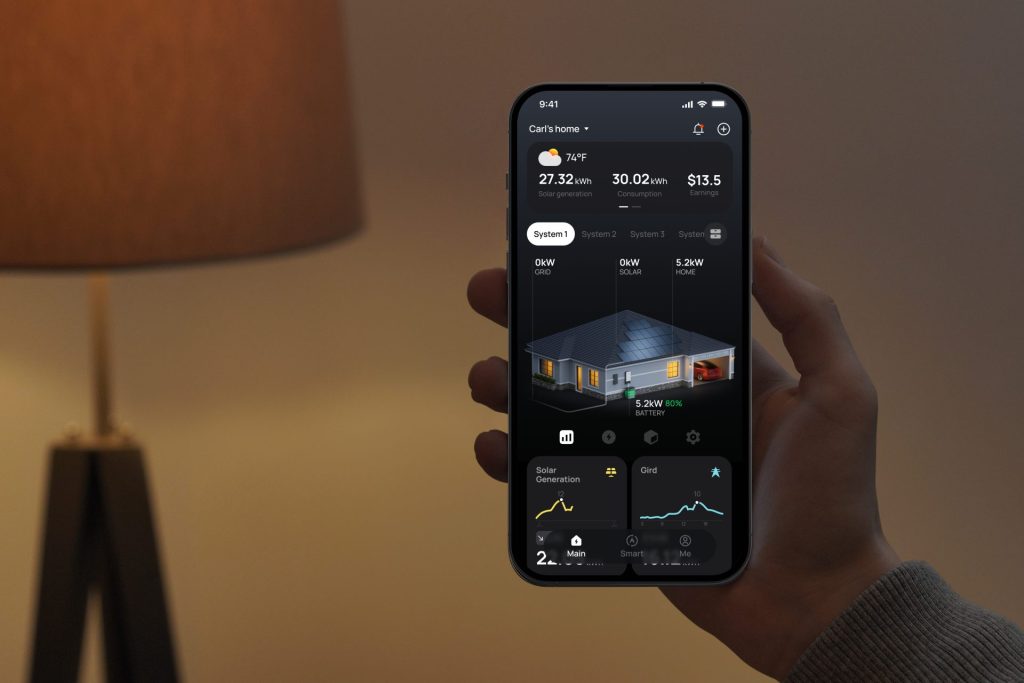
Our Smart Energy solution coordinates your car’s charging with the needs of your home, your battery and your heat pump, according to the available solar production.
Our projects
One step closer to energy independence.
-

Lausanne
, Vaud
2025
27
13 kWp
53 m²
Lausanne
-

Corseaux
, Vaud
2025
67
29 kWp
113 m²
Corseaux
-

Niederhasli
, Zurich
2025
16
7,5 kWp
40 m²
Niederhasli
-
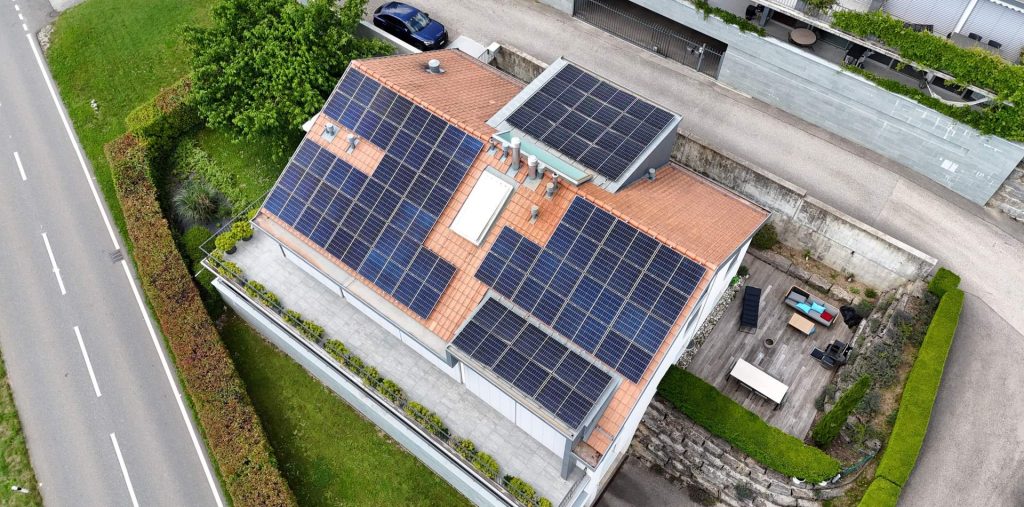
Mont-sur-Rolle
, Vaud
2024
56
24 kWp
109 m²
Mont-sur-Rolle
FAQ
A charging station ensures safe charging at a power level adapted to your installation, whereas a domestic socket is not designed for regular use at this intensity.
Yes, within the limit of your available surplus. The charging station can adjust its power to prioritise the electricity you produce.
This depends on the power accepted by your vehicle, your electrical connection and your charging habits. A study will determine the appropriate power level.
It is a mechanism that distributes the available power between your appliances. It becomes useful when several devices, including the charging station(s), are operating at the same time.
Yes, intentionally: it can reduce the power to respect the capacity of your connection or to prioritise your solar production.
Conventional charging sends energy to the car. Bidirectional charging also allows the car to return part of its energy to the home or the grid.
Our services
All your energy, in one place
-

Produce
Solar
-
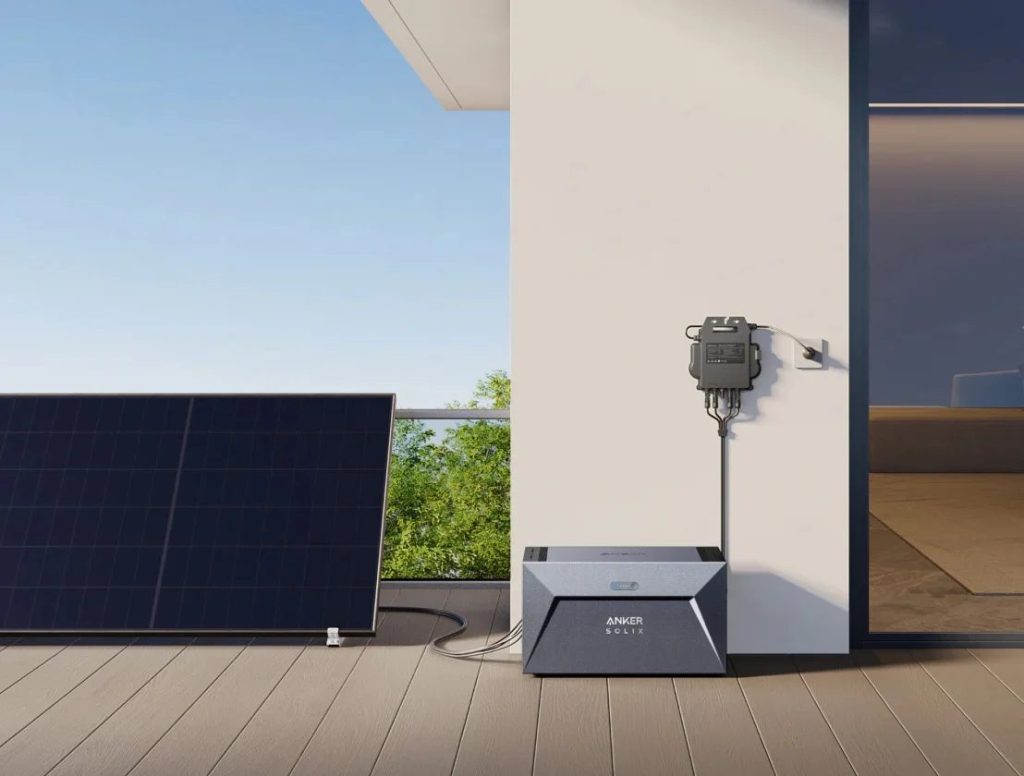
Use
Storage
-
Use
Heat pump
-
Use
e-mobility
-
Control
Smart Energy
-
Control
Maintenance