
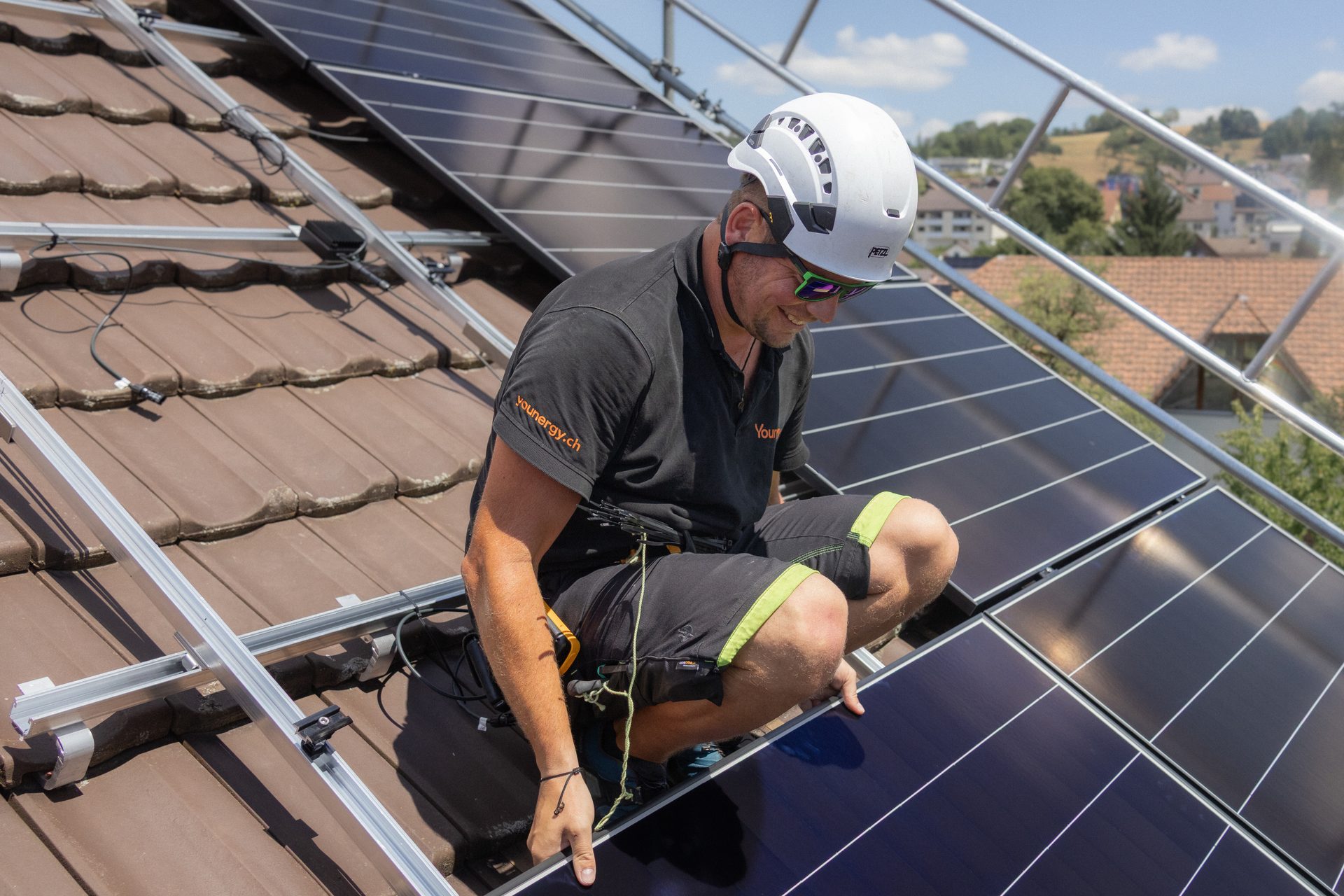
Repowering
Make your installation produce more.
Repowering modernises your existing system to increase its output, improve its efficiency, and adapt it to today’s energy needs.
The benefits
What repowering brings you
Produce more
More power and production from the same surface area.
Adapt your installation
To integrate a battery, heat pump, or electric mobility more easily.
Modernise the system
More up-to-date equipment, better suited to your new requirements.
Performance example
What a repowering can concretely change.
Thanks to the evolution in power density of panels over the last 10 years, a gain of up to +65% is achievable through equipment replacement.

Indicative example based on the average evolution of photovoltaic panel power. The actual gain depends on the age, condition, and configuration of your current installation.
Why
When to consider repowering?
01
An ageing installation
Your installation is already several years old
02
Solar potential to exploit
Your roof could accommodate more power
03
Rising needs
Your energy needs have increased
04
A roof to renovate
You are planning a roof renovation
05
You wish to increase the scope of your energy management
You wish to integrate a battery, a heat pump, or an electric vehicle
Brands recognised for their reliability.
Our partner brands




What to choose
Repair the existing system or increase its potential?
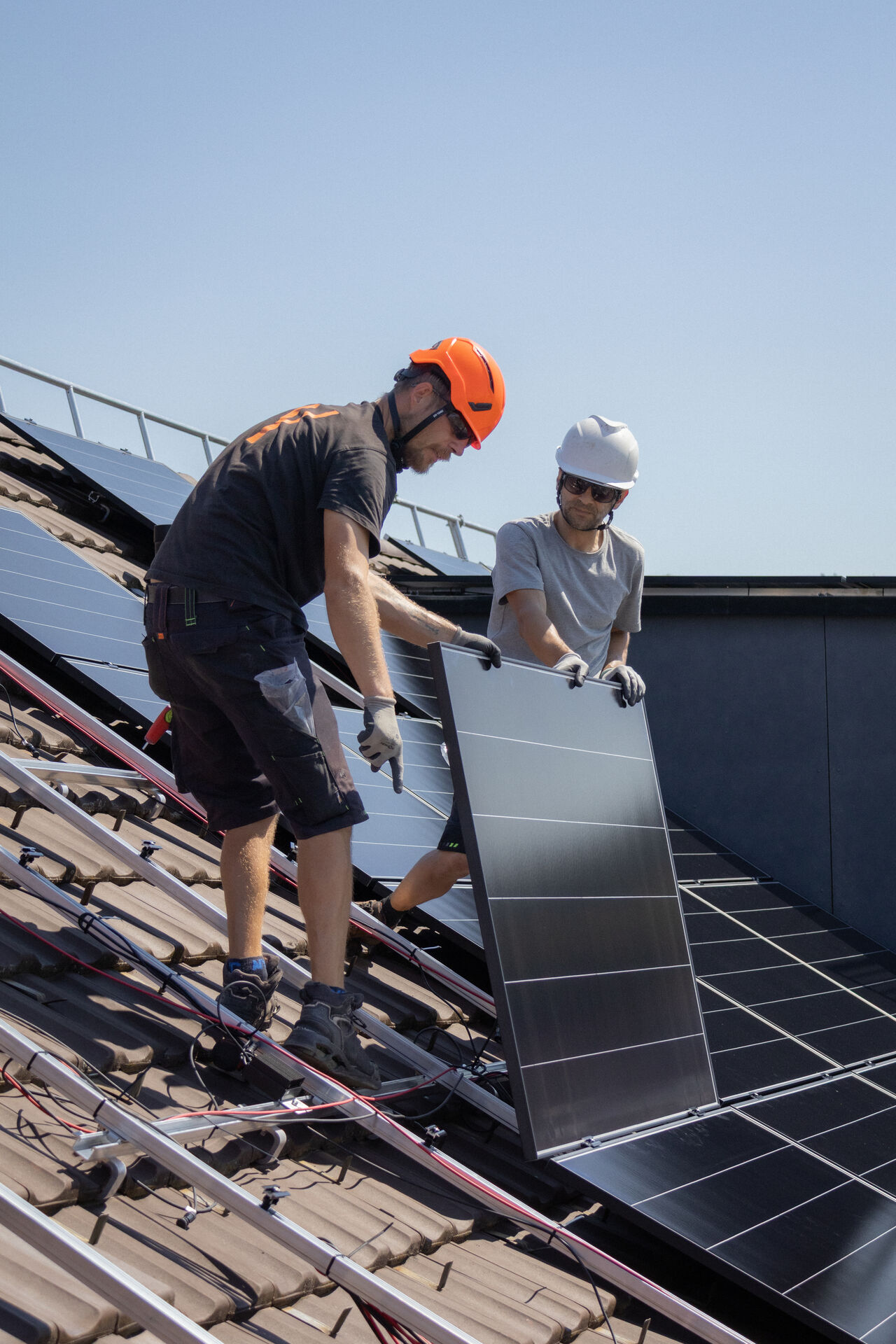
Restore
Renovation
Restore the installation to good working order, while keeping as much as possible of what can still be used.
Keep what still works
Components that are still reliable and compatible are maintained to avoid unnecessary replacements.
Correct identified faults
A breakdown, a loss of communication, or a connection problem can often be addressed in a targeted manner.
Extend the lifespan of the installation
A renovation allows the system to be brought back to the right level to continue exploiting your solar production in good conditions.
Increase potential
Repowering
Upgrade an existing installation to produce more and adapt it to today’s energy needs.
More power on the same roof
More efficient modules allow for an increase in installed power without necessarily using more surface area.
Modernise key components
Panels, inverters, or management systems can be replaced to take advantage of more recent technologies.
Prepare for your new requirements
The system can be resized to support a battery, a heat pump, or electric vehicle charging.
Better exploit the energy produced
Upgrading the installation can increase the share of solar electricity used directly on-site.
Like them, give your installation a new lease of life.
Let’s study your repowering project.
Age and compliance of your equipment, current production, and new energy needs: our teams evaluate your installation to define the most useful improvements.
Four possible answers
Before replacing, you need to know what deserves to be replaced.
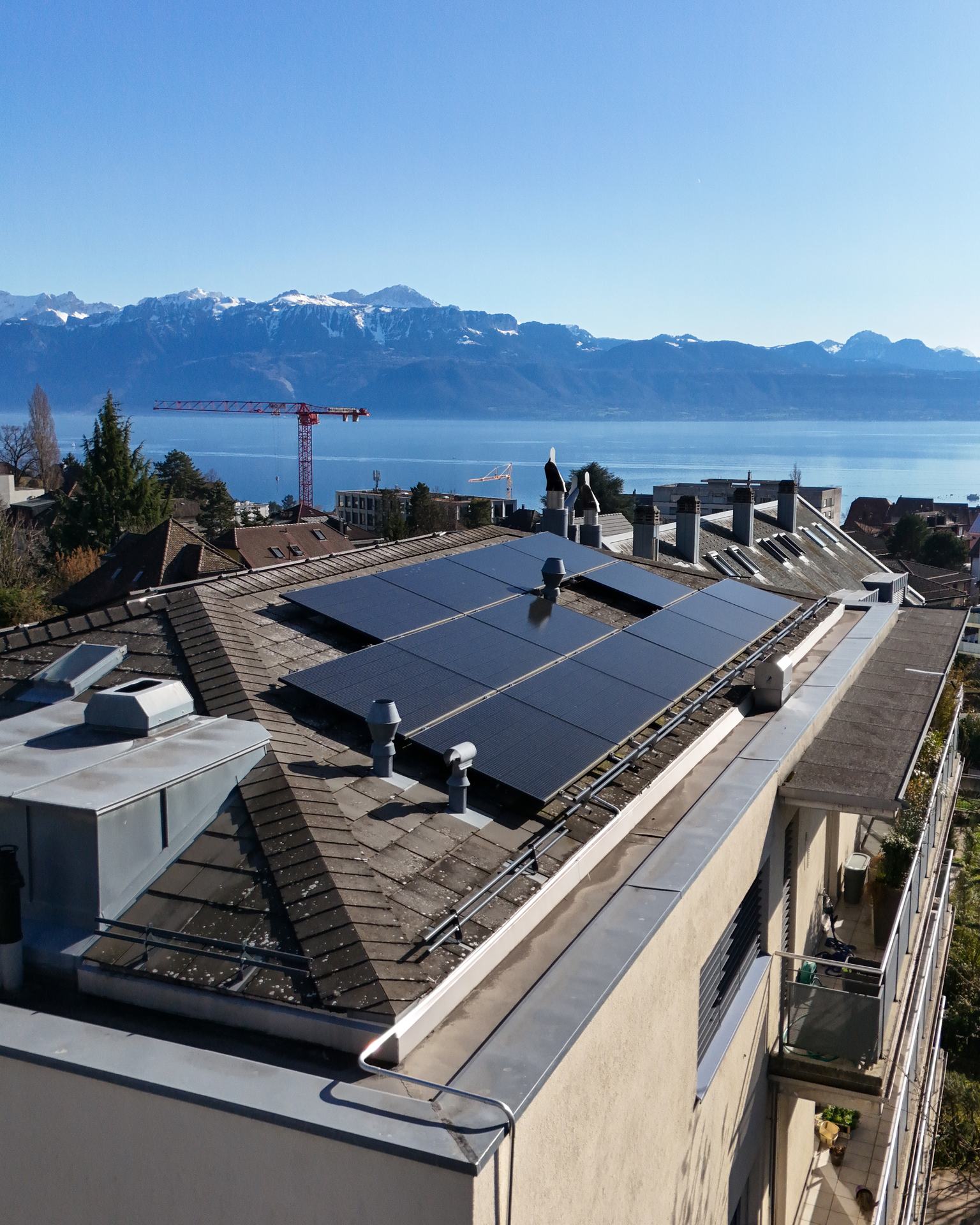
Preserve the existing
Keep what still works.
An old installation is not necessarily an installation that needs replacing. The diagnosis identifies elements that are still reliable and suitable.
Verify actual performance
Age alone is not enough to judge equipment. Production, component condition, and available data allow us to evaluate what can continue to function.
Keep equipment that is still reliable
Modules, cabling, or structures can be maintained when they remain in good condition and compatible with the rest of the installation.
Avoid unnecessary replacements
The intervention focuses on what actually requires action, rather than systematically starting from scratch.
Targeted intervention
Address the problem where it has been identified.
A drop in production or a malfunction does not always require a complete renovation. Certain anomalies can be corrected directly.
Identify the source of the fault
Production data and installation monitoring allow us to target the cause of the problem more precisely.
Repair or replace the relevant component
Inverter, connection, monitoring, or defective module are the subject of a targeted intervention.
Return to normal operation
The objective is to bring the installation back to the right level without unnecessarily modifying elements that are functioning correctly.
New capacity
Add production to cover new requirements.
Surface area still available or rising consumption can justify adding modules, with or without adapting the existing inverter.
Simulate additional production
We evaluate the potential of available surfaces and what this new capacity could bring to your production.
Check connection and procedures
All components of the installation are analysed to determine any necessary adaptations.
Support new requirements
Additional production can meet the arrival of a heat pump, an electric vehicle, or consumption that has become more significant.
New configuration
Rethink the installation around your current needs.
When the installation has evolved in stages or requirements have changed profoundly, a new configuration can restore a more coherent system.
Review equipment distribution
The installation is reorganised to better match production and consumption and to integrate new solutions.
Integrate technologies added since
Battery, heat pump, charging station, or energy management can be taken into account in a common architecture.
Build a system ready for the future
The new configuration takes your current needs into account while leaving the possibility to evolve the installation later.
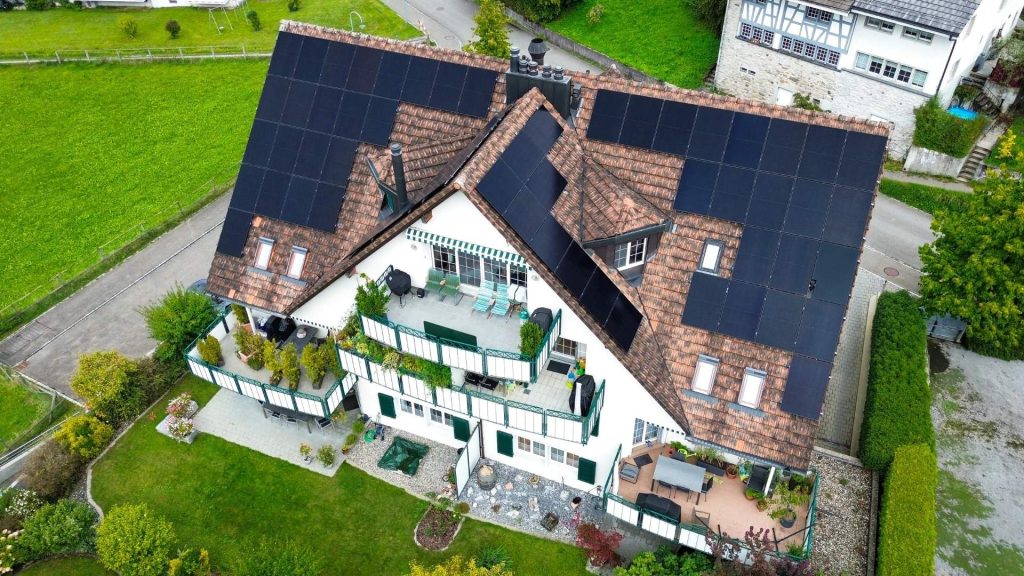
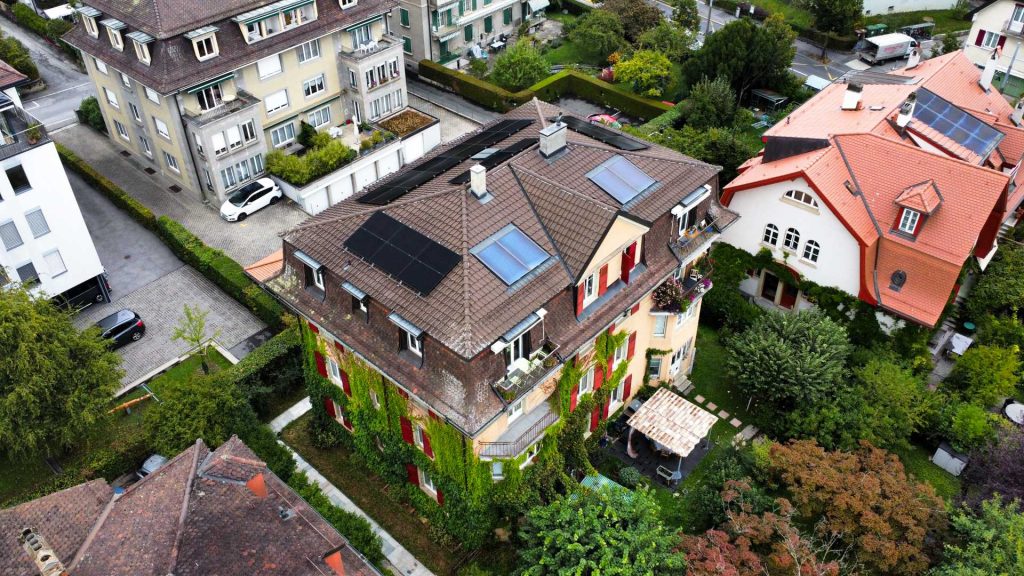
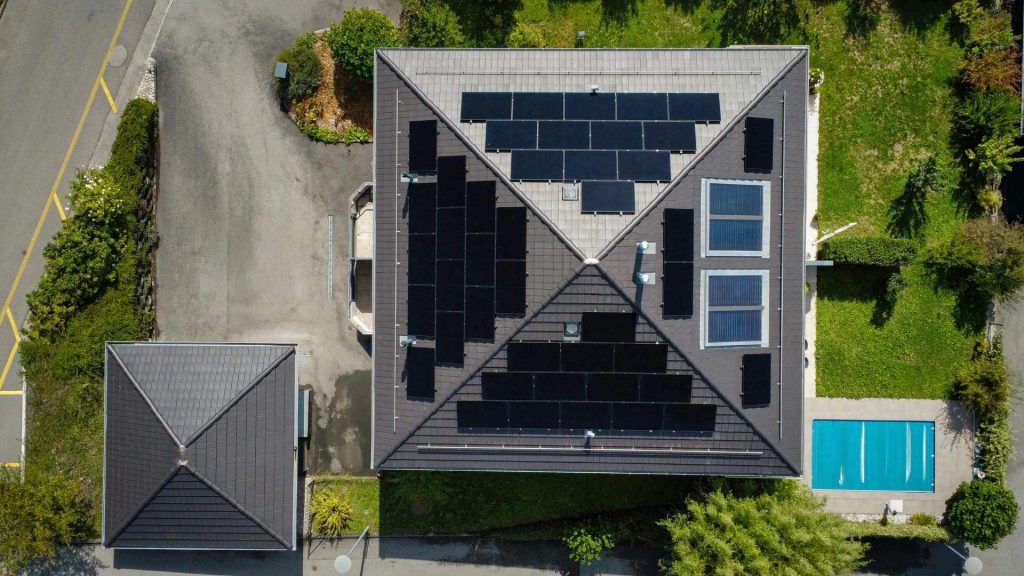
Our projects
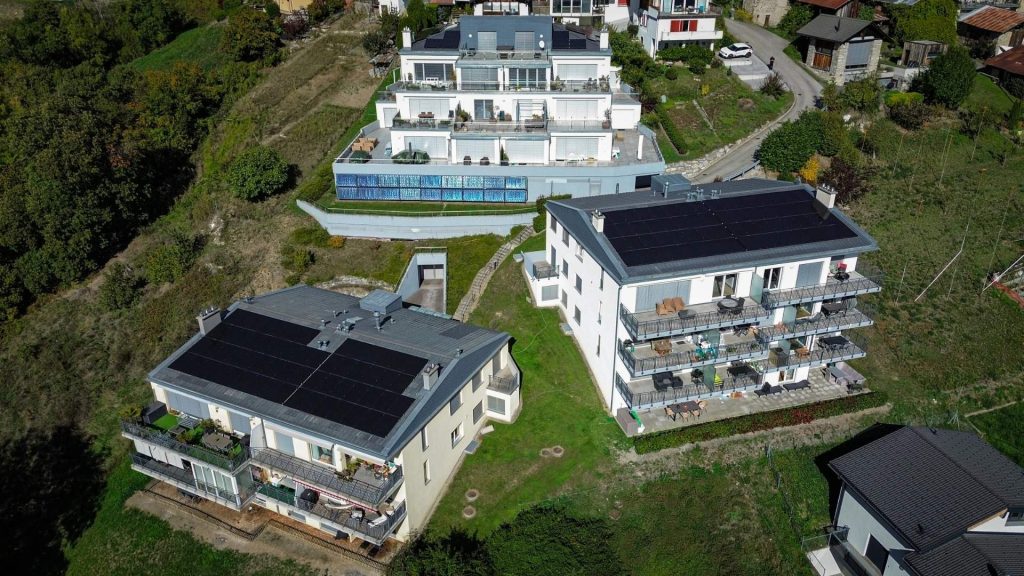
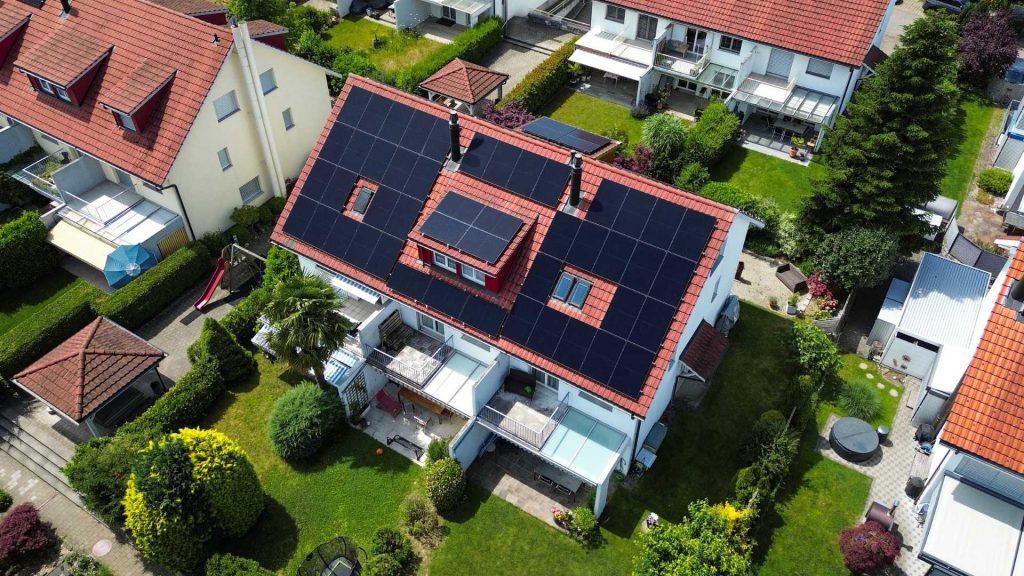
One step closer to energy autonomy.
FAQ
Not necessarily. Certain components can be kept if they are still suitable and compatible.
Yes. Current panels generally offer more power per module, which can allow for increased production without adding surface area.
Yes. Repowering is often a good time to upgrade the entire energy system.
No. It depends on the age of the installation, its performance, the available surface area, and your needs. An analysis determines if the investment is relevant.
An electrical compatibility study is carried out beforehand to verify that the new components integrate correctly with your existing installation.
Panels are generally guaranteed for 25 to 30 years, with degradation of around 0.5 to 1% per year. Inverters, on the other hand, often last 10 to 15 years: they are frequently the first component that needs to be replaced.
Our services
Solar energy tailored to your home.
-
Produce
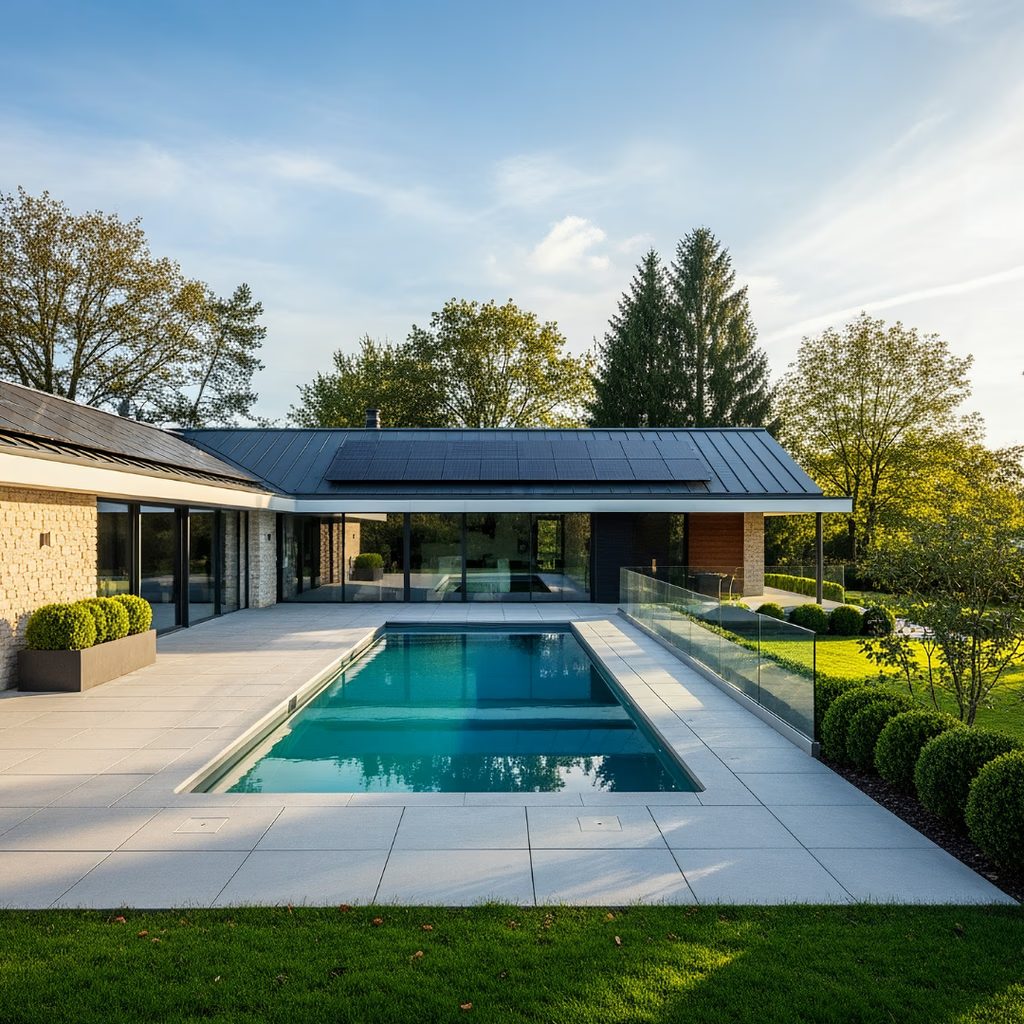
Solar
Photovoltaic production, self-consumption, yield and installation types: making the most of your roof’s potential.
-
Use
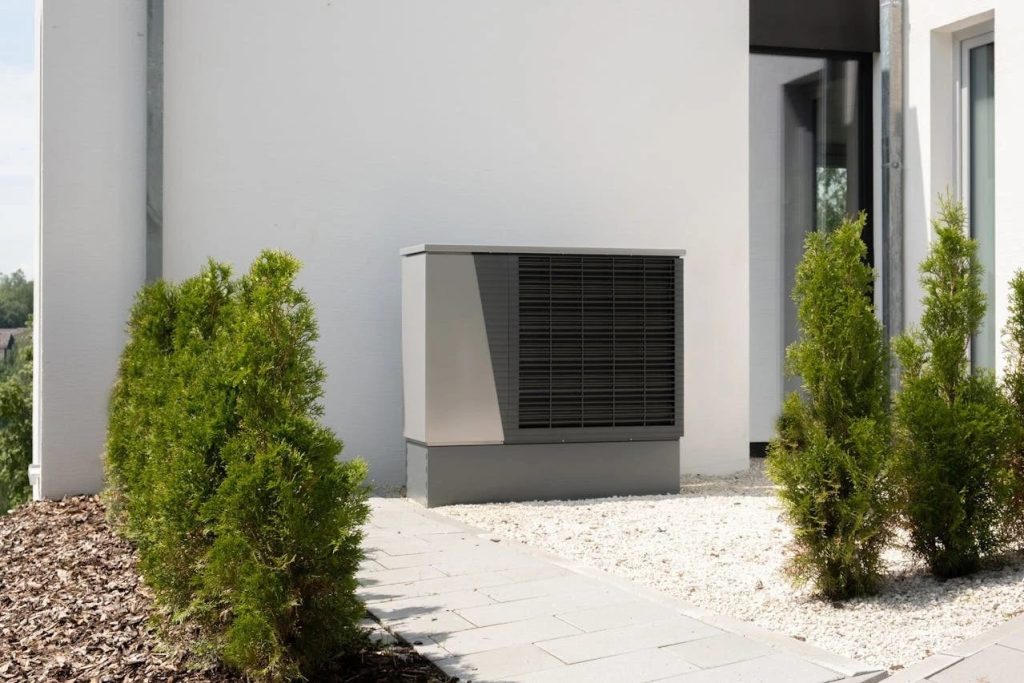
Heat pump
Heat pumps, solar integration and heating consumption optimisation.
-
Use
e-mobility
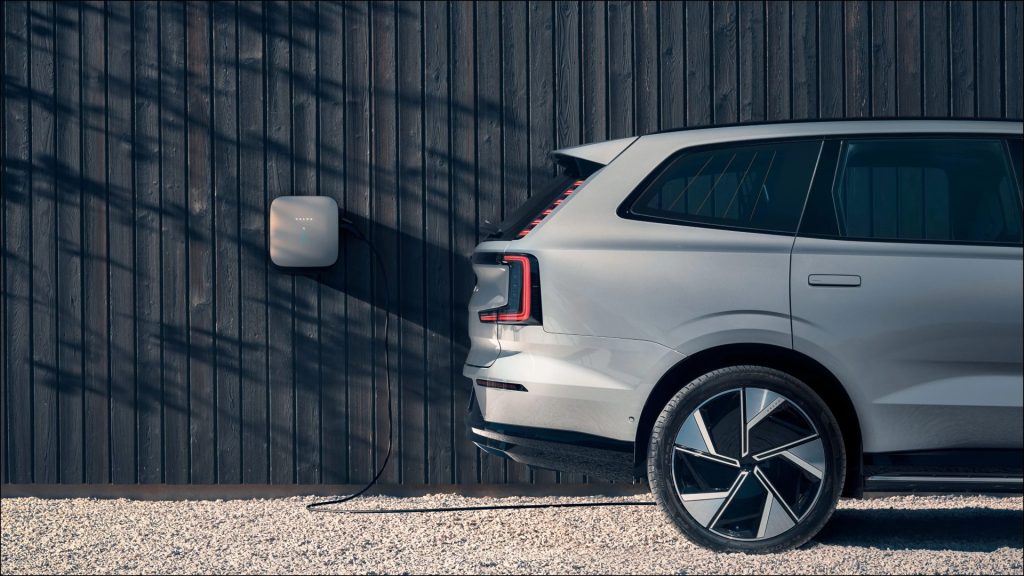
Charging stations, solar charging, load management and bidirectional charging.
-
Control
Smart Energy
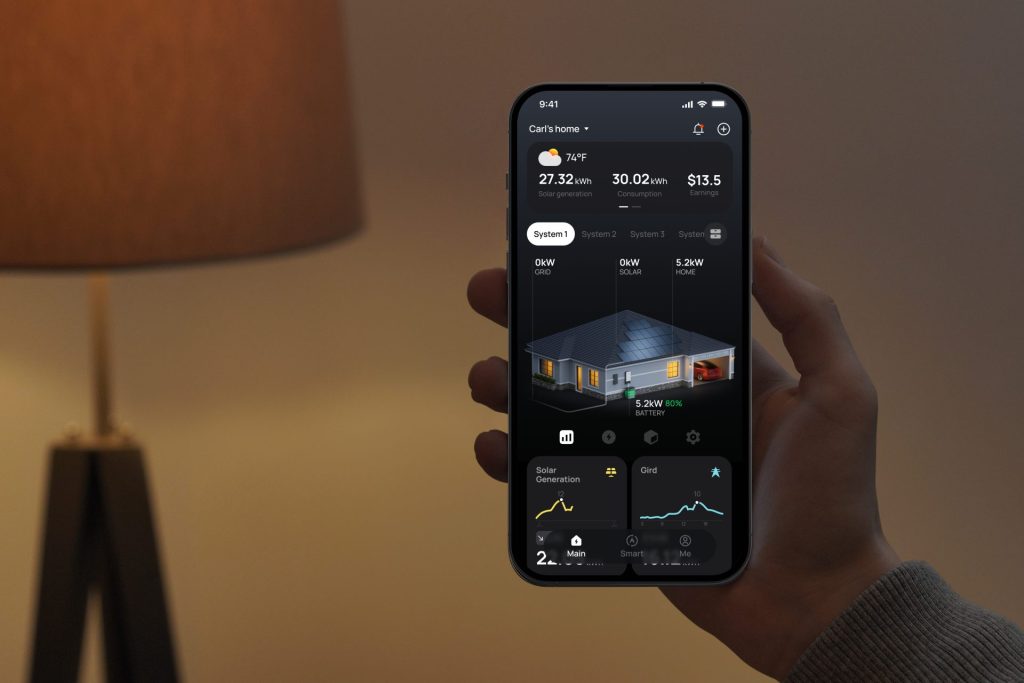
Developments in the Swiss market, new regulations, tariffs and energy sharing models.

Can your installation do better?
We analyse your current system and discuss the possibilities for evolution with you.