
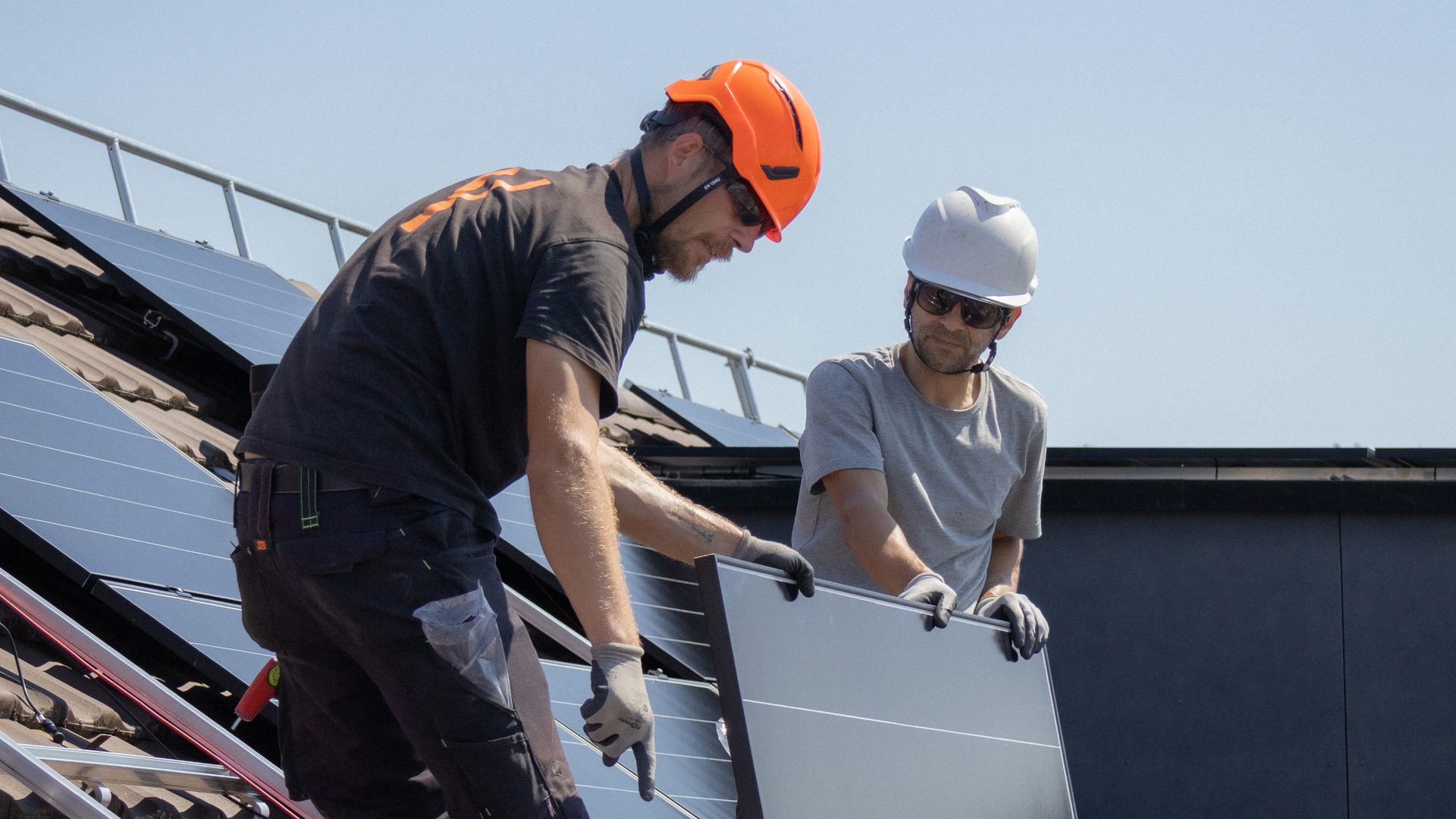
System renovation
An ageing installation does not always need to be replaced entirely.
Panels, inverter, cabling or monitoring: a diagnostic assessment identifies precisely what should be retained, repaired or replaced.
The benefits
What choosing renovation delivers for you.
Restore a reliable installation
Rectify faults and bring your system back up to standard without replacing everything.
Keep what still works
Repair or replace only the components that genuinely require it.
Extend your system’s lifespan
Upgrade components that have become limiting factors to keep generating solar energy in optimal conditions.
The diagnostic assessment
Understand before taking action.
01
Generation
Compare measured generation against initial expectations to identify any drop in performance.
02
Modules
Inspect the visual condition of the panels and identify any defects or damage.
03
Inverter
Check its operation, any error messages, and its compatibility with the system.
04
Cabling & protection devices
Inspect electrical connections, protective devices, and their compliance.
05
Structure
Assess the condition of the mounting system and, if necessary, the roof.
06
Monitoring
Ensure generation tracking is fully functional and usable.
Our approach to intervention
A tailored response to every need.
A renovation does not mean replacing your entire solar installation. It is based on the actual condition of each individual component of your system.
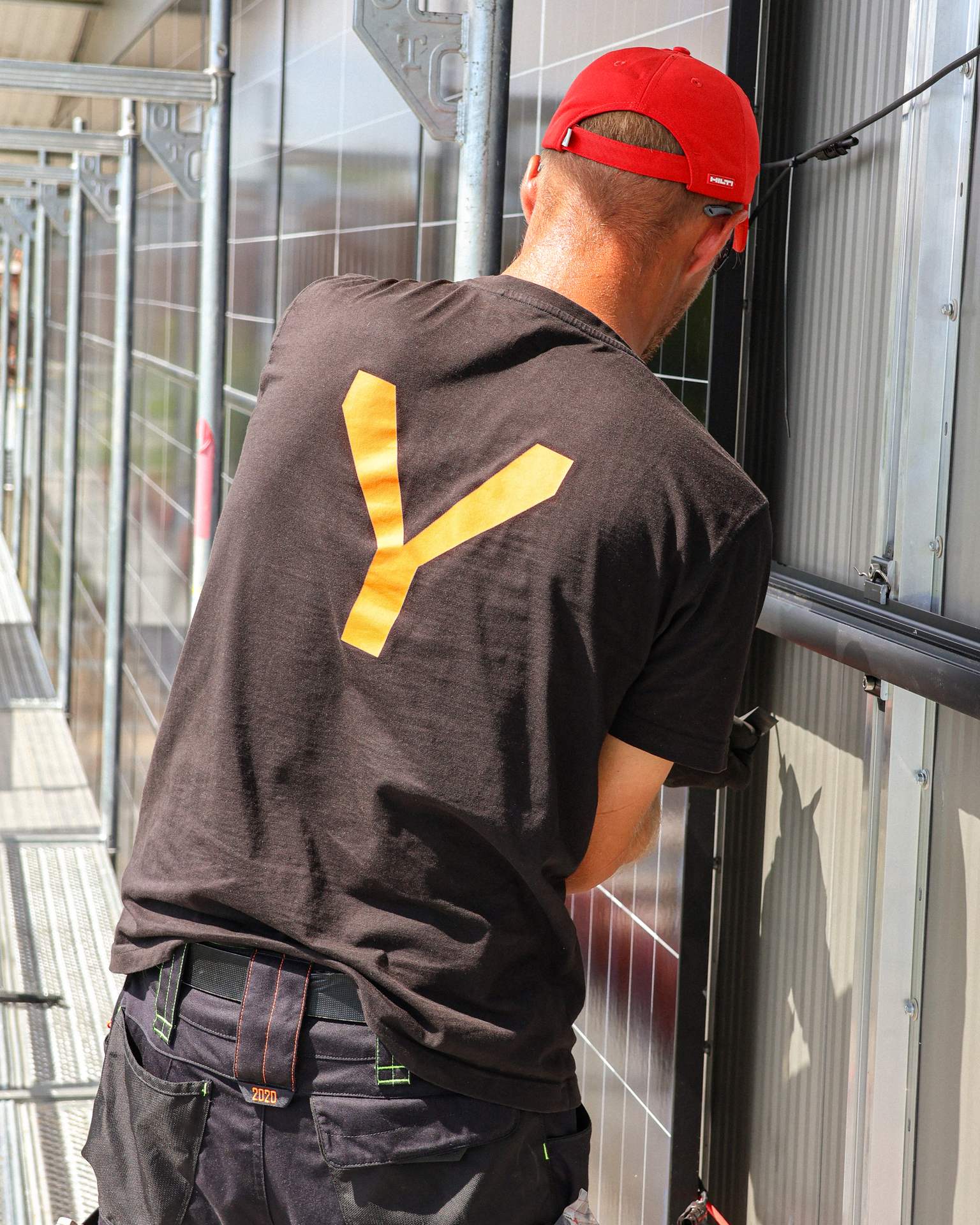
Preserving existing equipment
Keeping what still works.
The diagnostic assessment identifies components that remain in good condition and compatible, avoiding unnecessary replacements.
Modules that still perform well
An older installation does not necessarily need replacing. If the modules are functioning properly, they can continue generating power while work focuses elsewhere.
Infrastructure that remains fit for purpose
Mountings, conduits, or other existing components can often be retained when in good condition and compatible with the chosen configuration.
Targeted intervention
Fixing the problem at its source.
When a fault can be resolved without replacing the affected component, a targeted intervention restores proper operation.
Restoring monitoring
A loss of communication or connectivity can prevent tracking without affecting power generation itself. Restoring monitoring ensures you regain clear, reliable visibility over your system.
Rectifying faulty connections
Cabling, terminations, or contact points may require attention when an inspection identifies an anomaly.
Resolving localised faults
A fault identified in one part of the system does not necessarily warrant a full renovation. Work can remain strictly focused on the affected component.
When repairs are no longer enough
Replacing a component, not necessarily the entire system.
When equipment is faulty, has reached the end of its service life, or is no longer compatible, it can be replaced without overhauling the entire system.
Replacing an inverter at the end of its service life
An inverter may need replacing during the lifespan of your panels. The new model must be selected according to the specifications of the existing installation.
Replacing damaged modules
One or several panels can often be replaced without renewing the entire photovoltaic array, provided their electrical and physical compatibility is verified.
Addressing incompatible equipment
When legacy equipment can no longer be serviced or integrated properly with other components, replacement becomes the most sensible solution.
Upgrading your system
Evolving what holds your installation back.
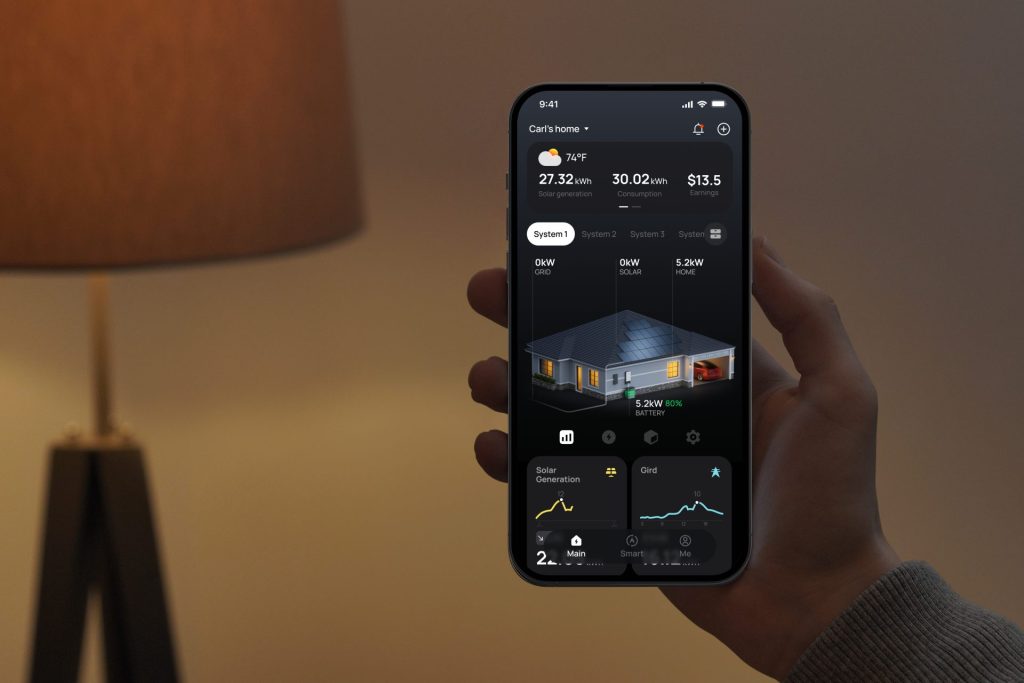
Certain equipment may still function while no longer supporting modern monitoring, communication, or energy management capabilities.
Gaining more comprehensive tracking
Modern monitoring can facilitate generation tracking, performance history analysis, and early fault detection.
Enabling component communication
Upgrading select components can restore or enhance the data exchange required for monitoring and automated control.
Preparing for future system expansion
Where the configuration allows, a renovation can also prepare your system for the future addition of battery storage or smart energy management, without necessarily increasing overall system capacity.
Components involved
What can be adjusted, depending on your installation.
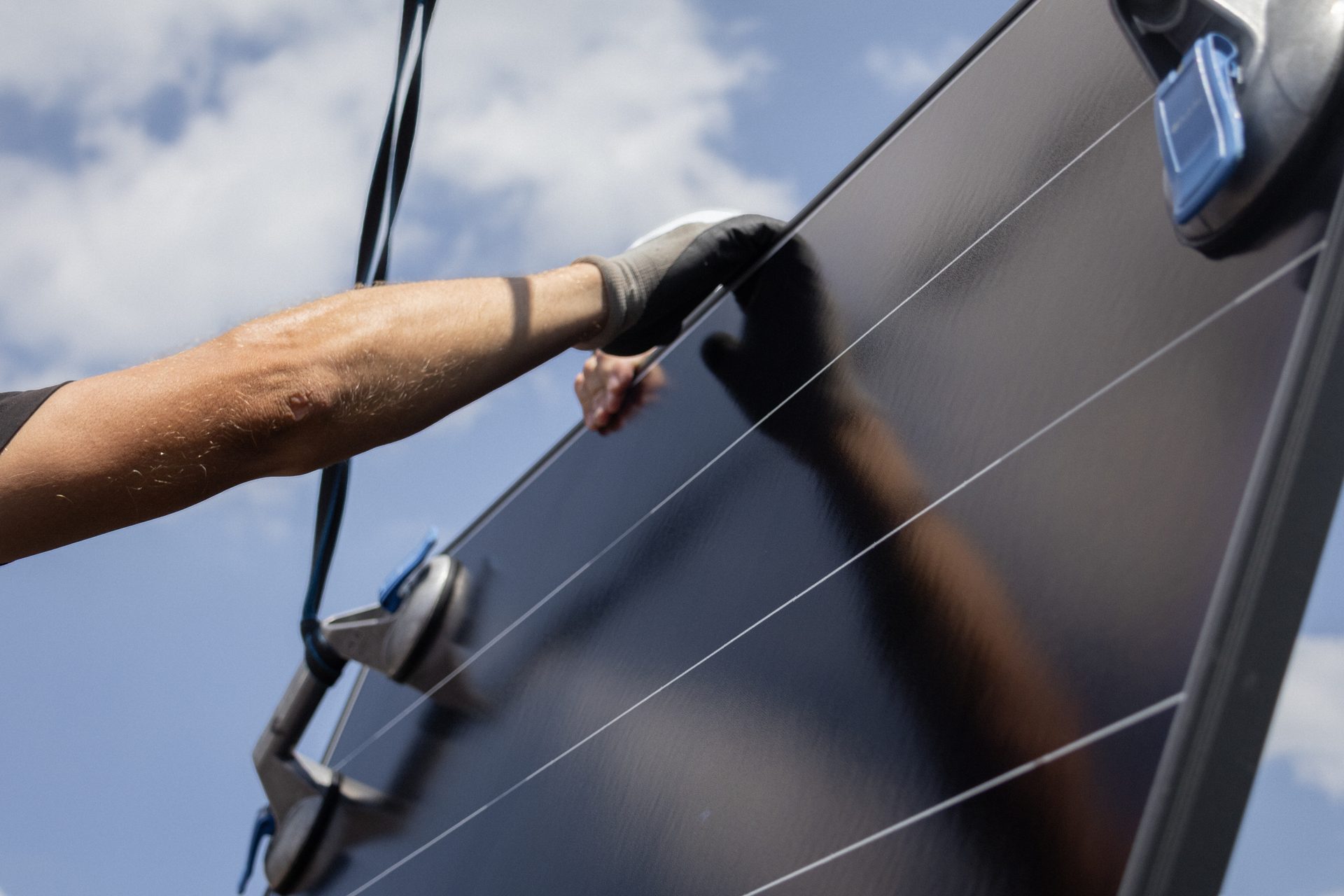
Photovoltaic modules
Specific replacement of panels that are damaged or no longer compatible with the rest of the installation.
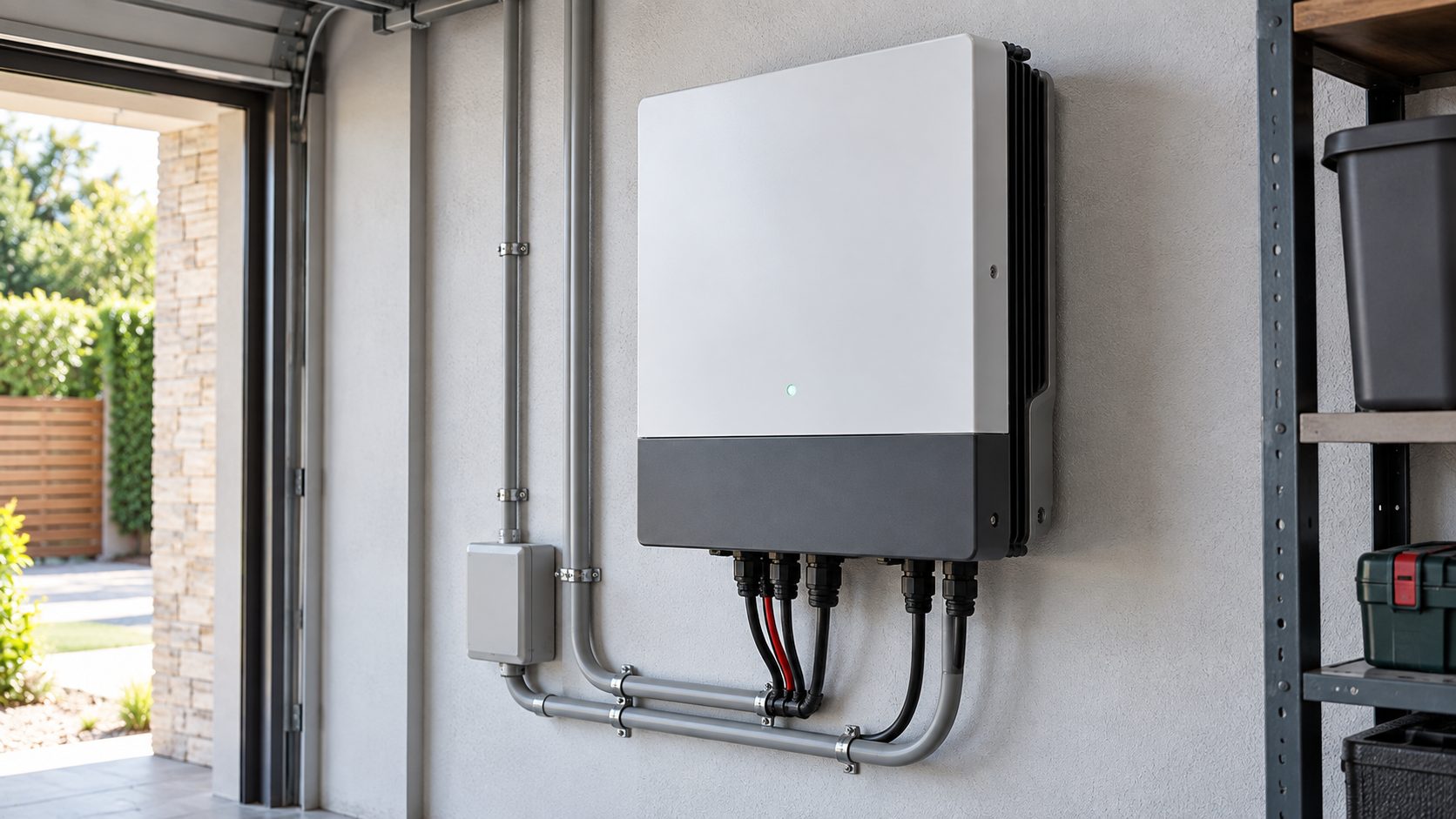
Inverter
Repair or replacement based on condition, compatibility, and current standards.
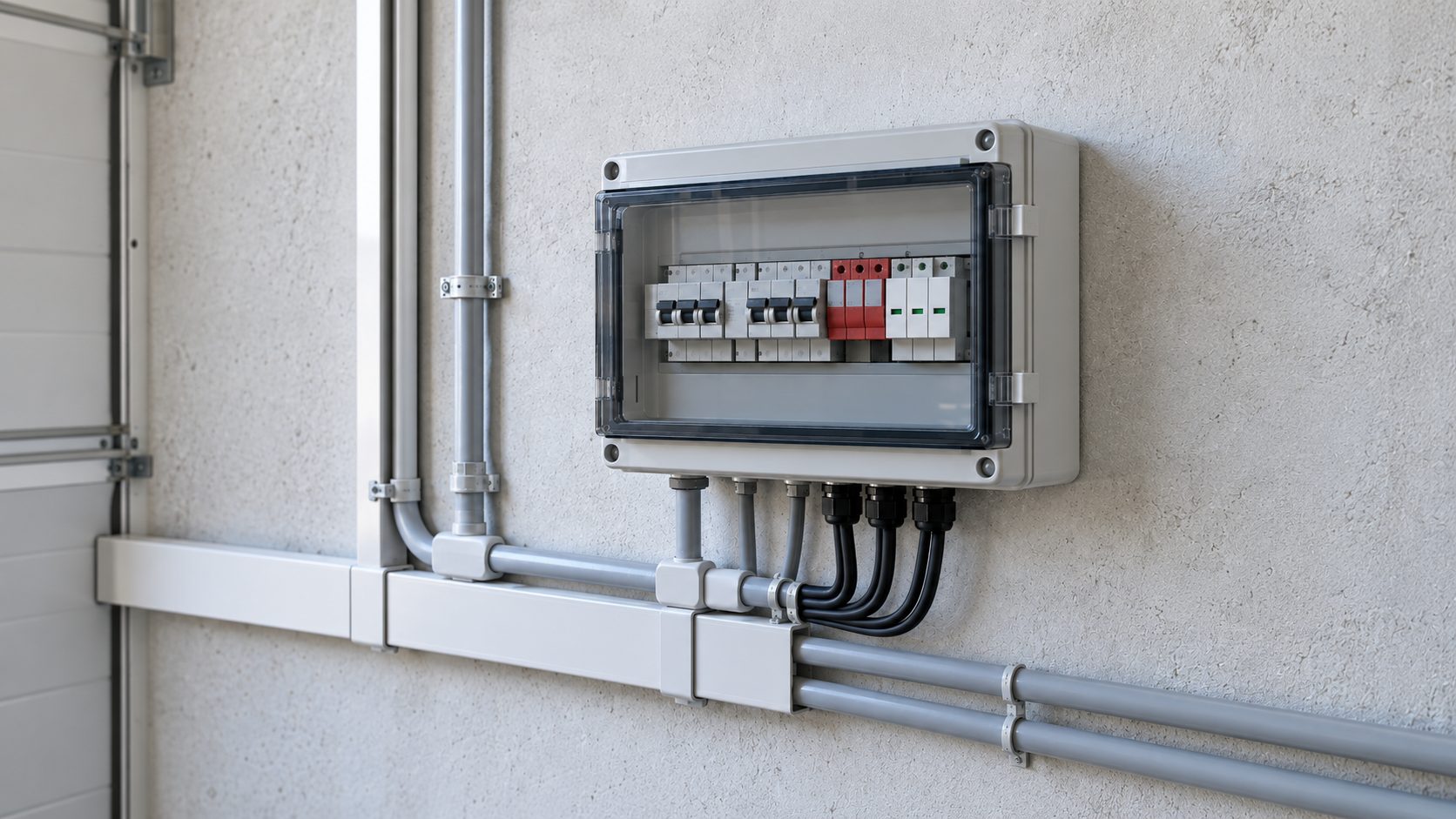
Cabling & protection devices
Inspection and upgrade of electrical connections and protective devices where necessary.
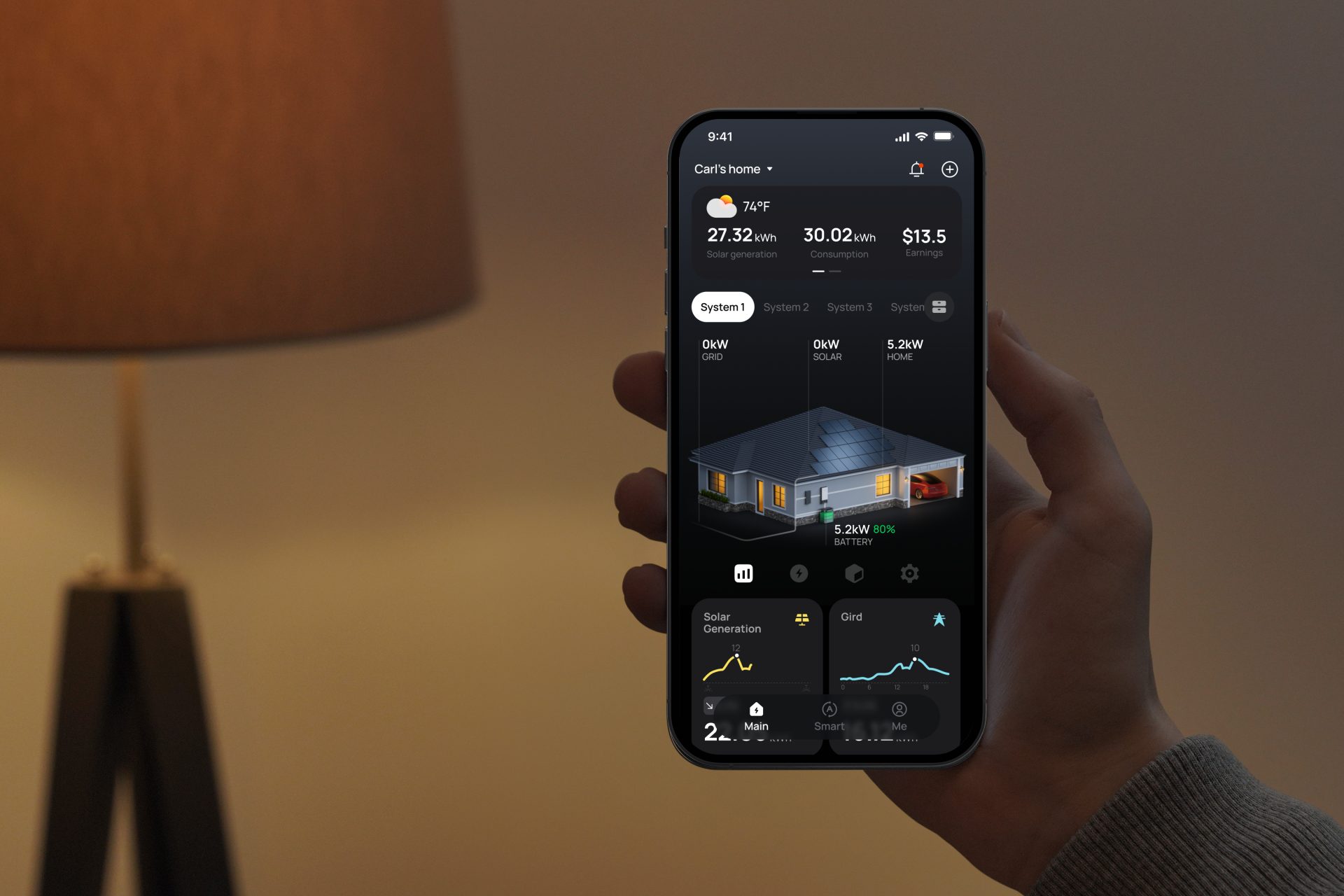
Monitoring
Restoration or modernisation of generation tracking.
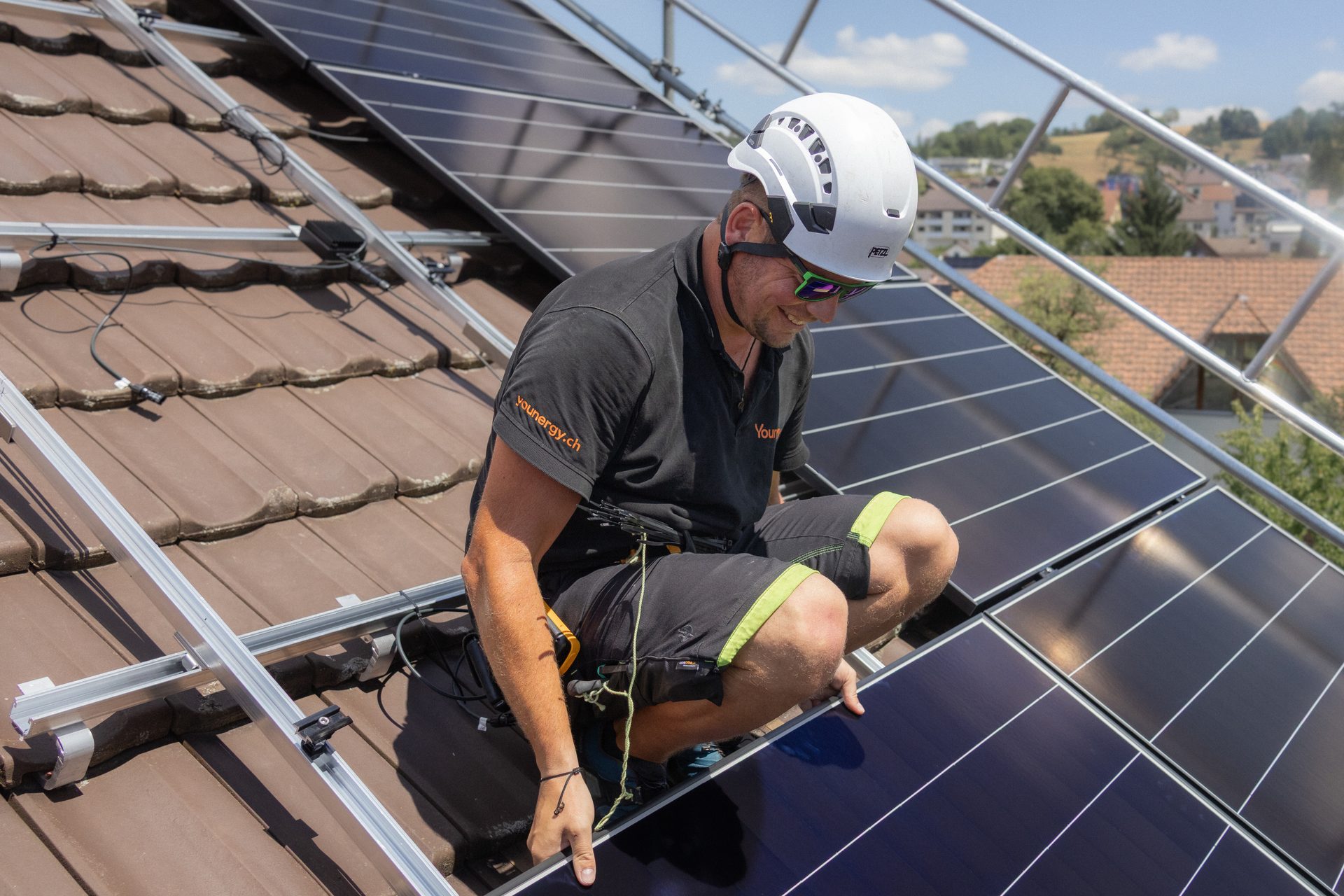
Mounting system
Inspection and intervention only when its condition requires it.

Batteries
Adding or replacing a battery to store surplus generation and use it whenever you need it.
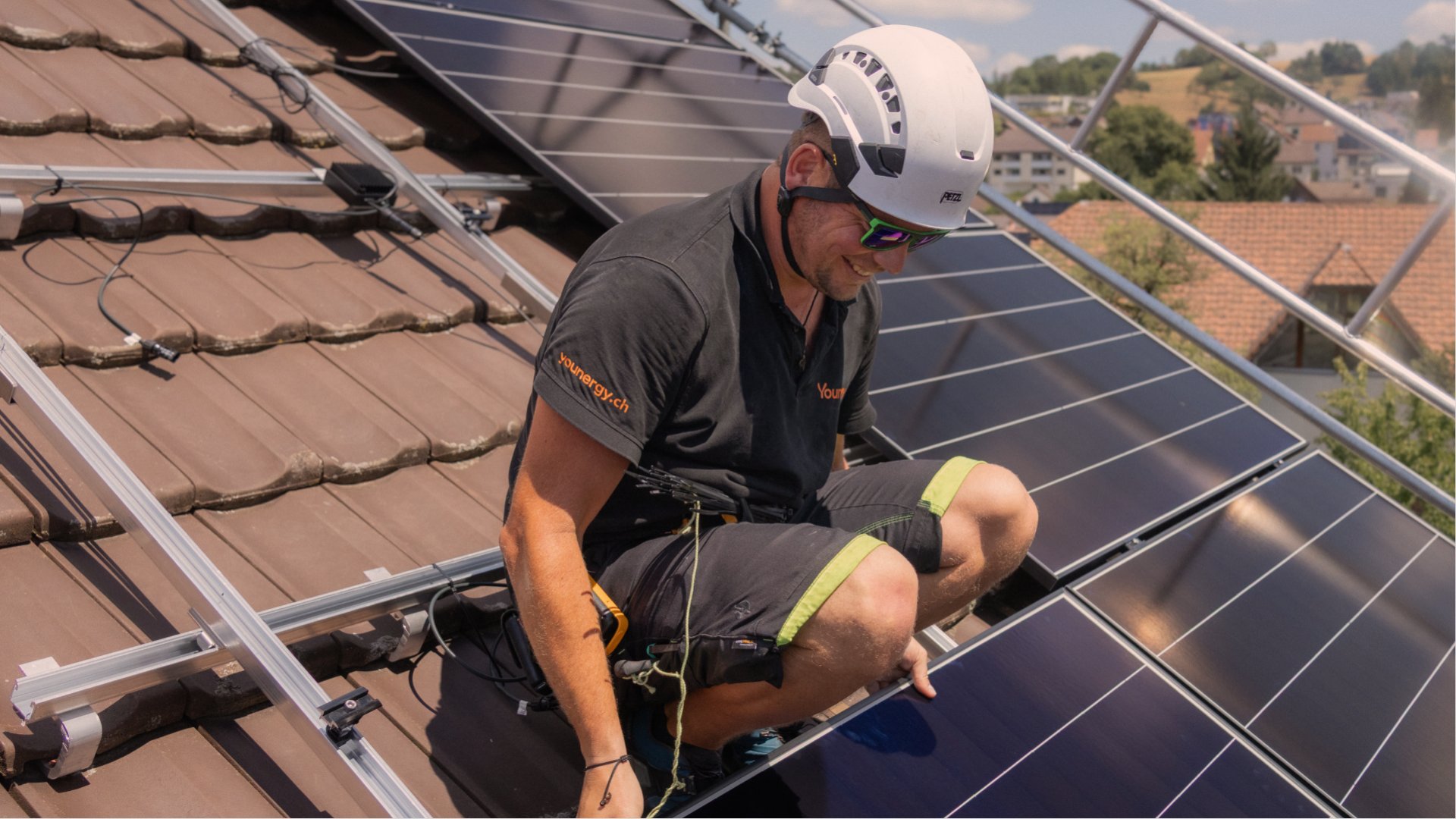
Repowering
Your installation can do even more.
Heat pump, electric vehicle, battery, or underutilised roof space: as your needs evolve, a simple renovation is sometimes not enough. Repowering allows you to adapt your installation to your new energy demands.
Roofing works
When the roof also requires renovation.
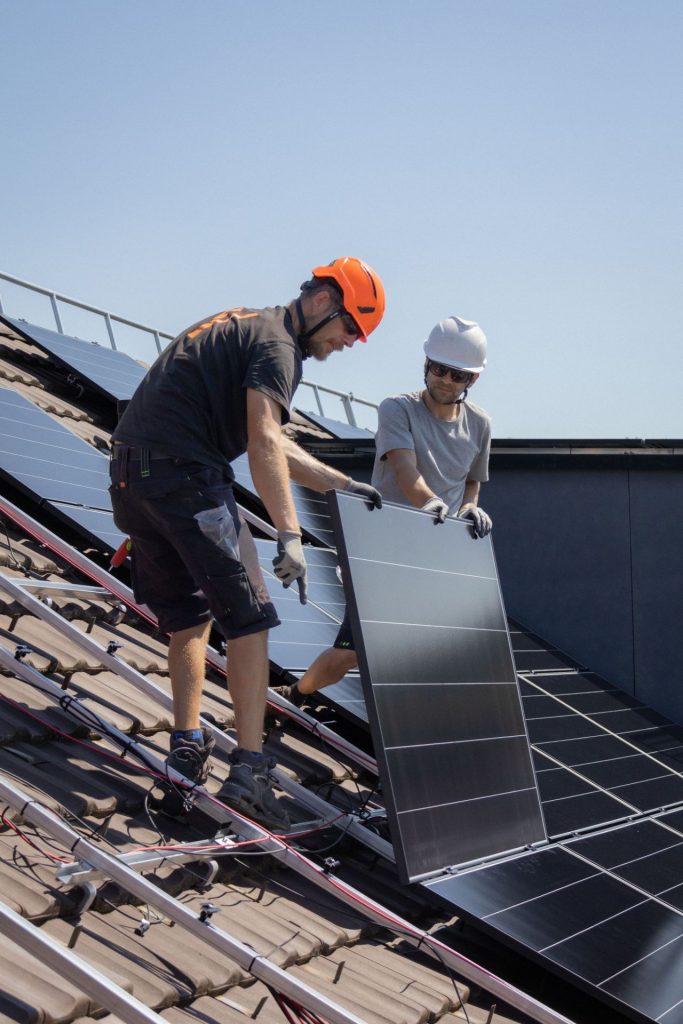
Roofing work may require the temporary or partial removal of your installation.
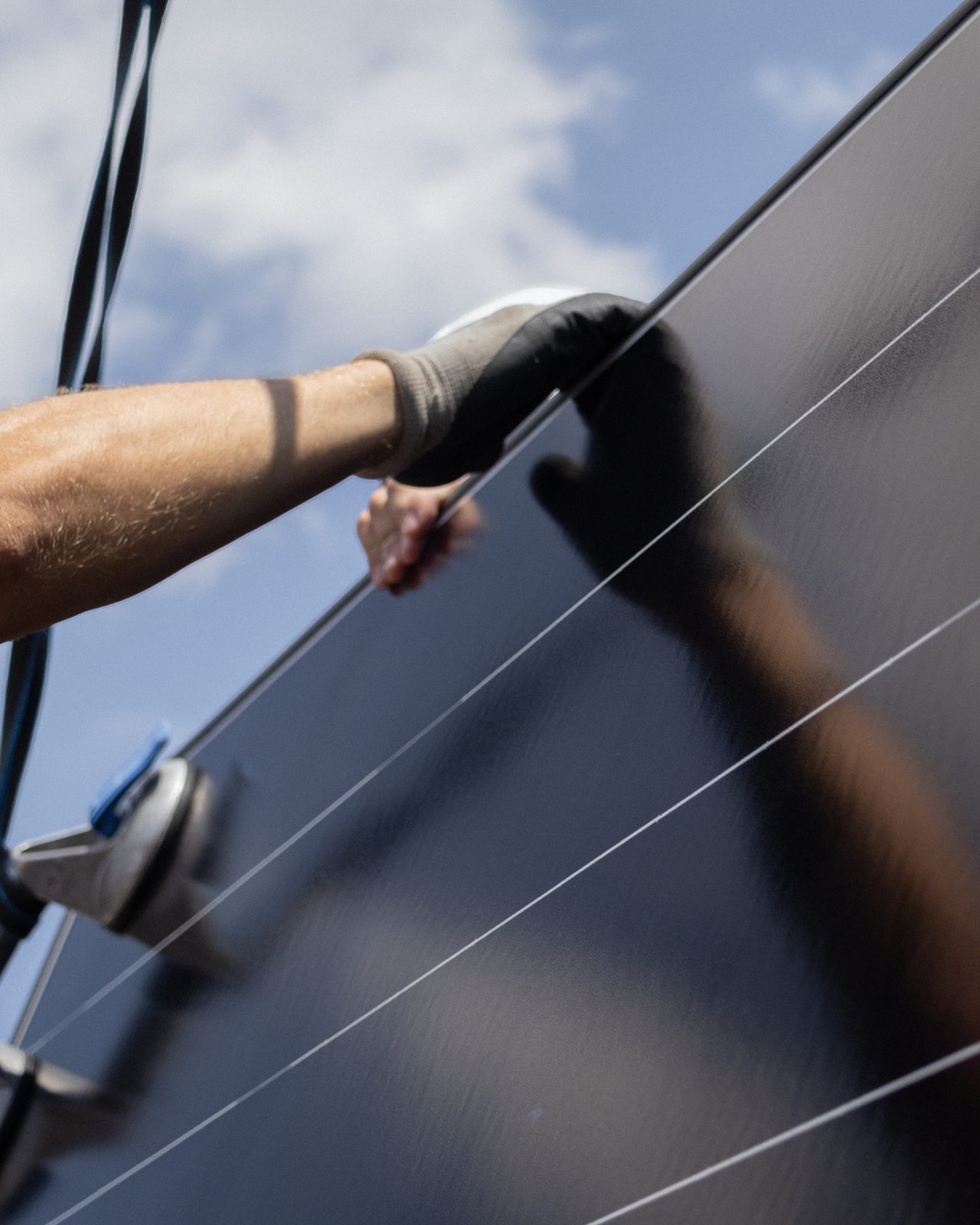
Younergy then manages the entire scope: storing equipment, inspecting dismantled components, coordinating with the roofing contractor, adapting the mounting system if necessary, then reinstalling and recommissioning the system.
We coordinate the photovoltaic portion of the project in close collaboration with the other trades on site.
Our process
From assessment to recommissioning.
We inspect the actual condition of your installation and identify the root causes of the issue encountered.
We distinguish what can be retained, repaired, replaced, or upgraded, and present you with suitable options.
We carry out only the agreed works, coordinating any necessary adjustments.
We verify the proper operation of the installation and restore reliable generation monitoring.
Like them, regain a dependable installation.
Let us assess your installation.
Year of installation, recent generation figures, observed symptoms, inverter status, existing monitoring, potential roofing works: just a few details are enough to prepare a constructive initial consultation.
Our projects
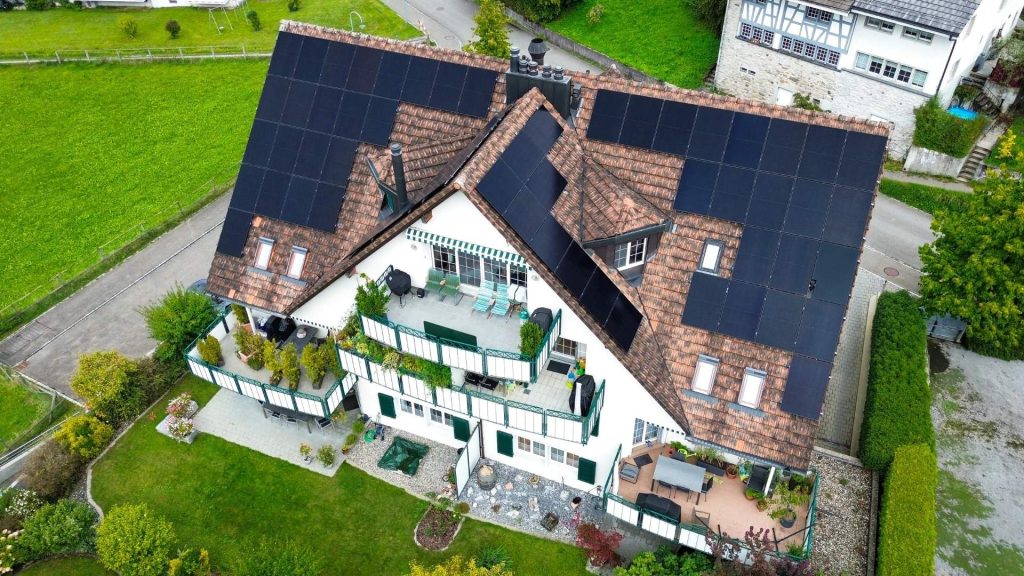
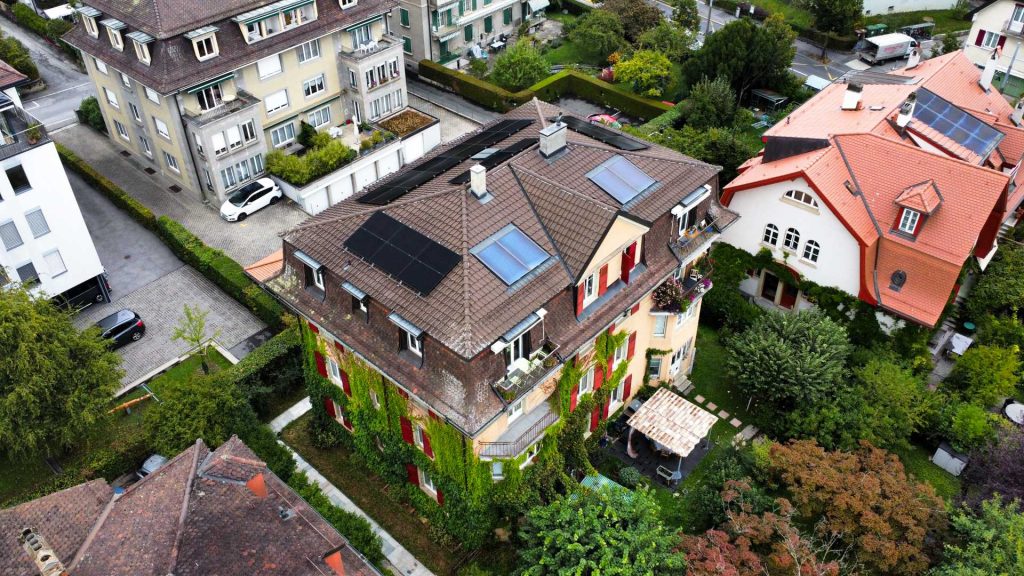
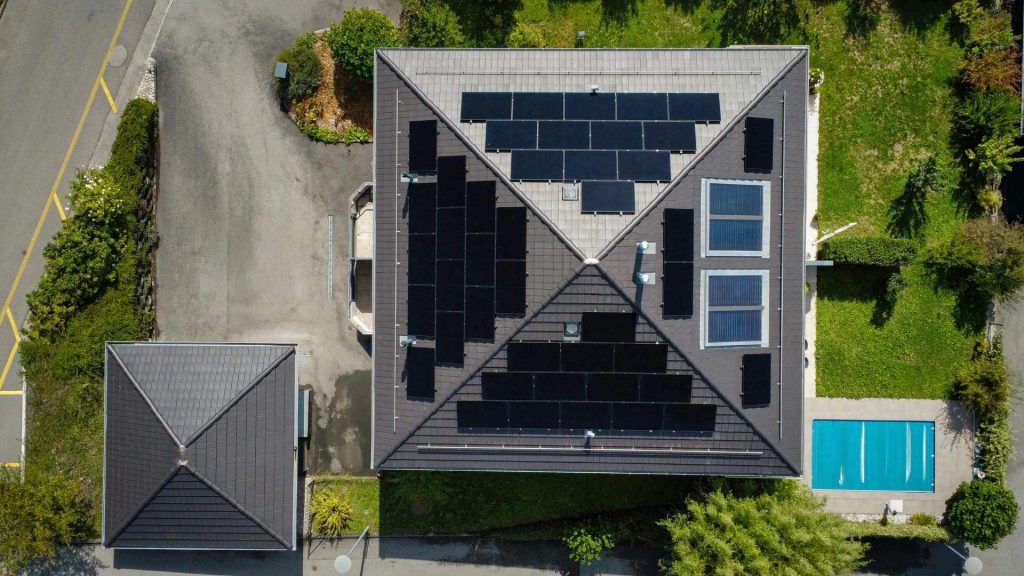
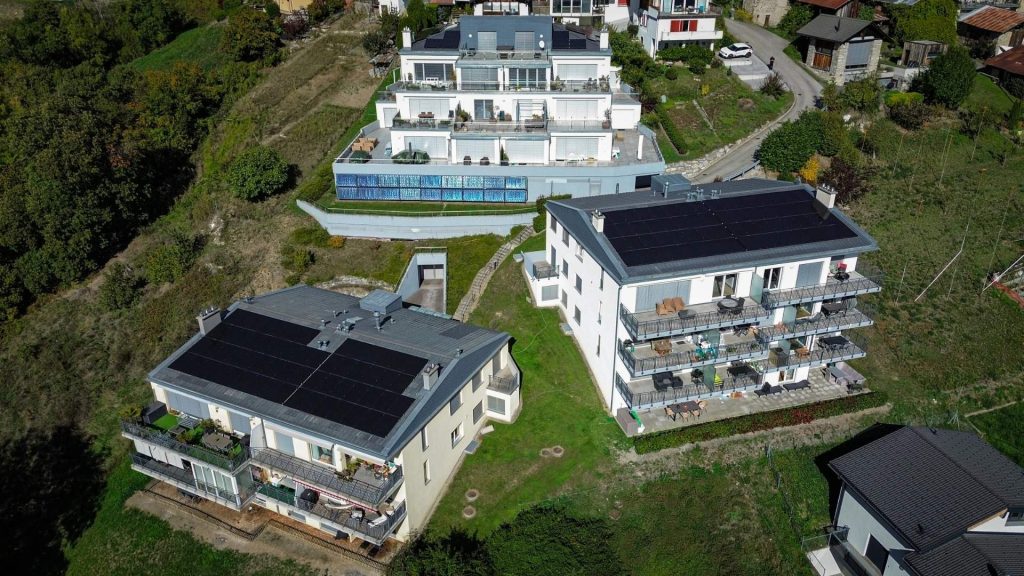
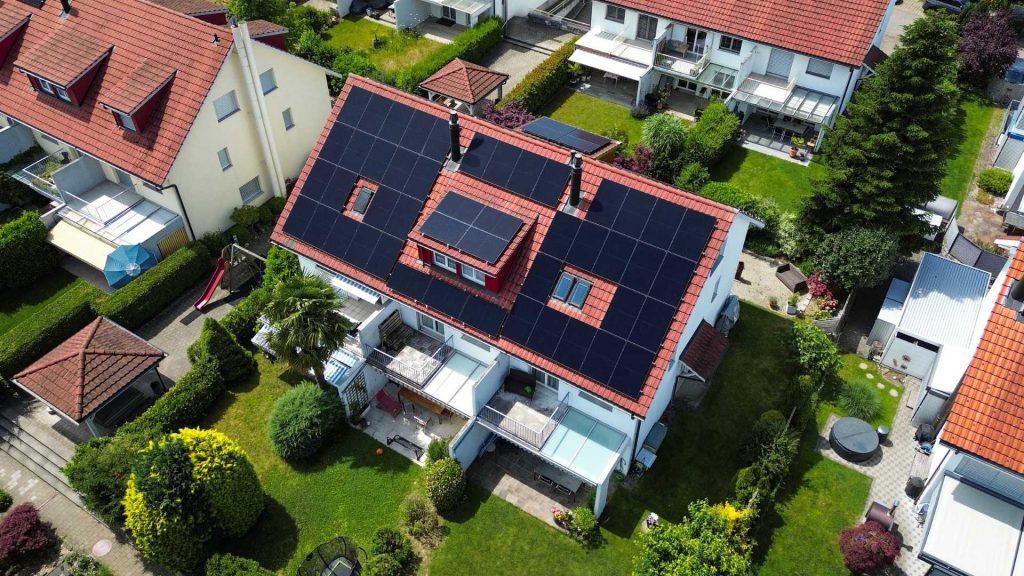
Solar energy seamlessly integrated into architecture.
Second life & recycling
What happens to dismantled components?
A module that is still functional does not automatically need to be recycled.
A second life is sometimes possible—an option we evaluate with you depending on the dismantled components. Damaged or end-of-life components are directed to dedicated Swiss recycling schemes.
FAQ
A persistent drop in generation, an inverter error, monitoring that no longer functions, or visibly damaged components are all clear indicators. A diagnostic assessment will confirm this precisely.
No. Most breakdowns involve a specific component, most often the inverter. The diagnostic assessment determines what genuinely needs to be replaced.
Yes, provided they are electrically compatible with the remaining modules. This is a point we systematically verify prior to any intervention.
In many cases, yes, if they are in sound condition and comply with current standards. We inspect them thoroughly before deciding whether they should be retained, overhauled, or replaced.
We select a model that is fully compatible with your existing panels. Depending on the scenario, this replacement can also enhance generation tracking or allow for the addition of a battery.
Yes. We carry out a diagnostic assessment of the existing installation, regardless of the original installer, before proposing any intervention.
Our services
All your energy solutions in one place
-
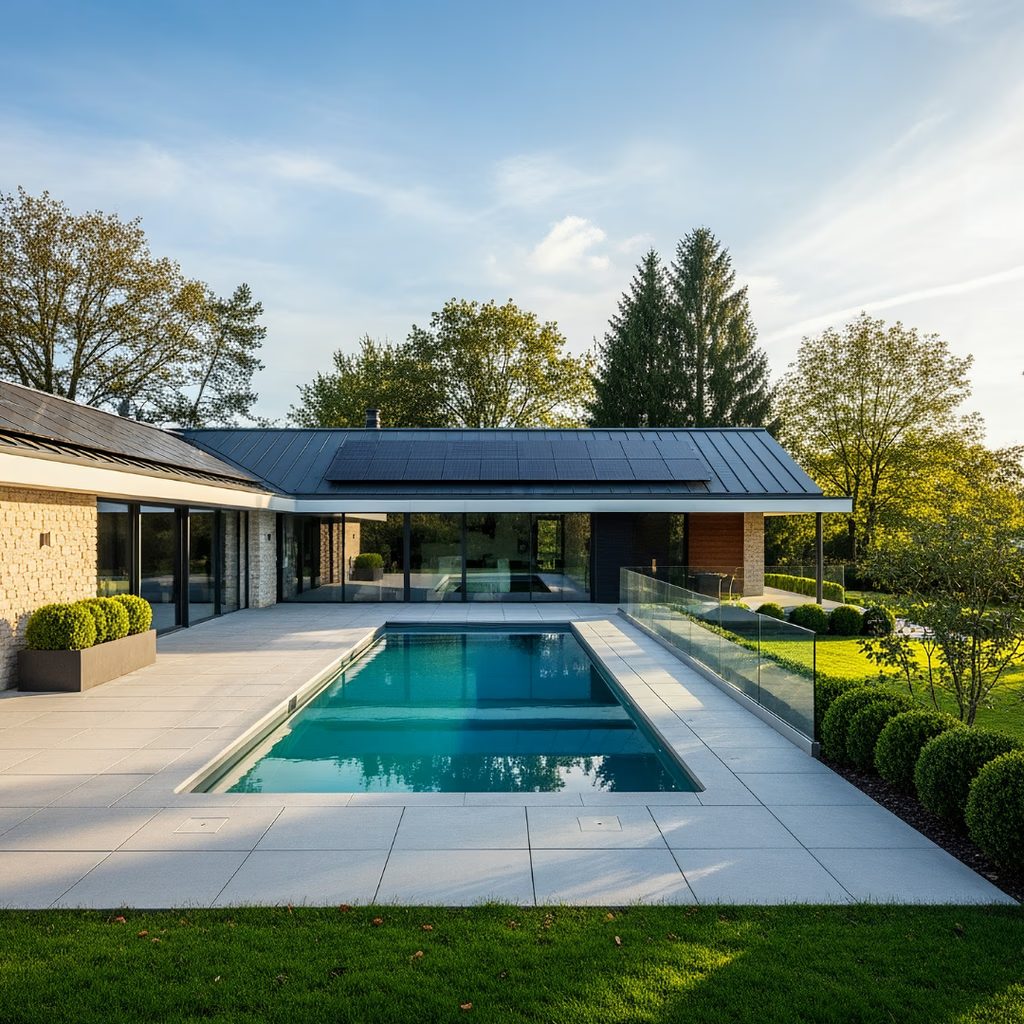
Produce
Solar
-
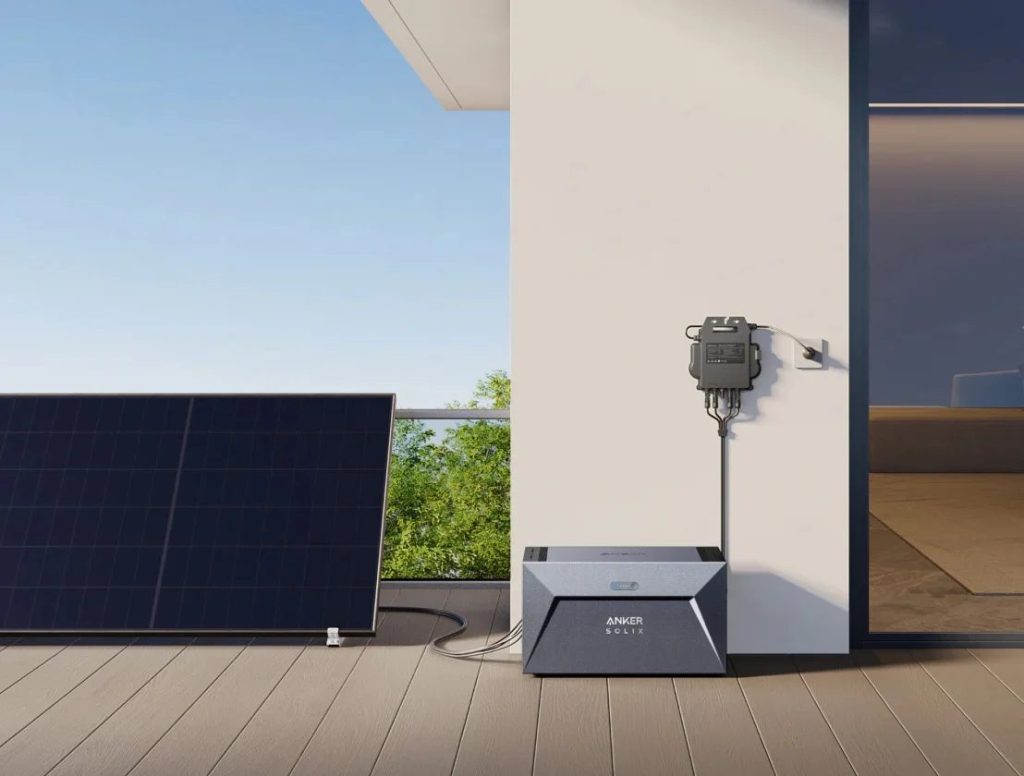
Use
Storage
-
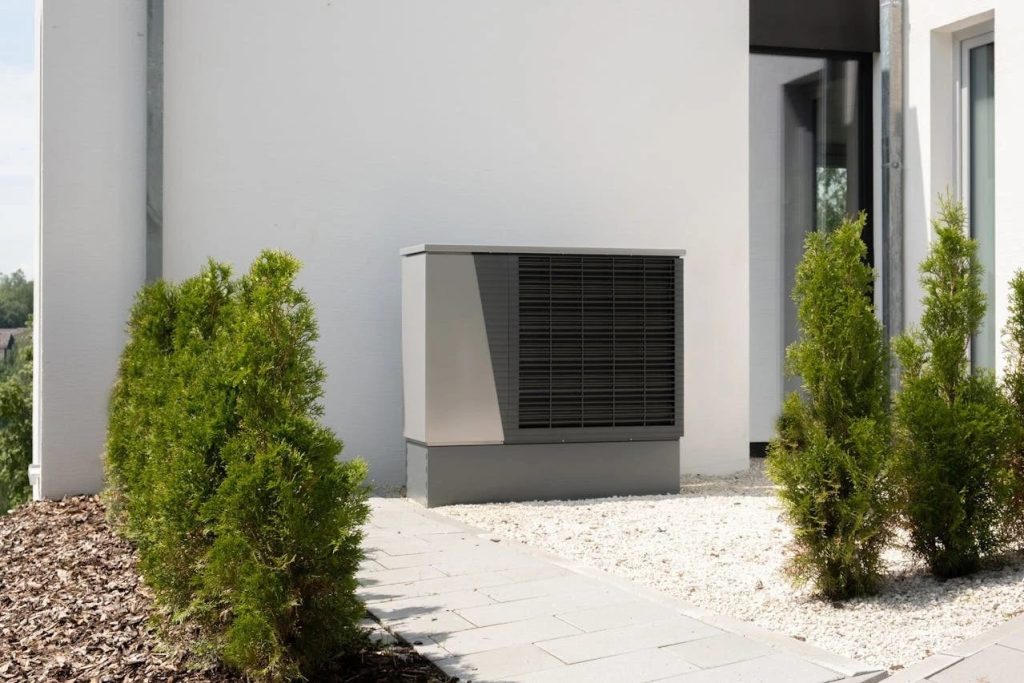
Use
Heat pump
-
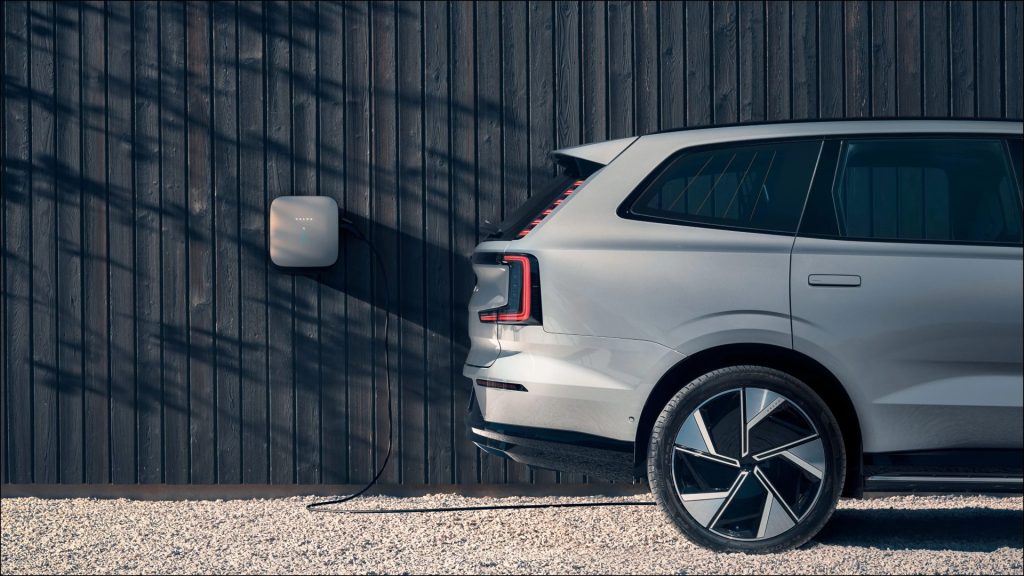
Use
e-mobility
-
Control
Smart Energy
-
Control
Maintenance