
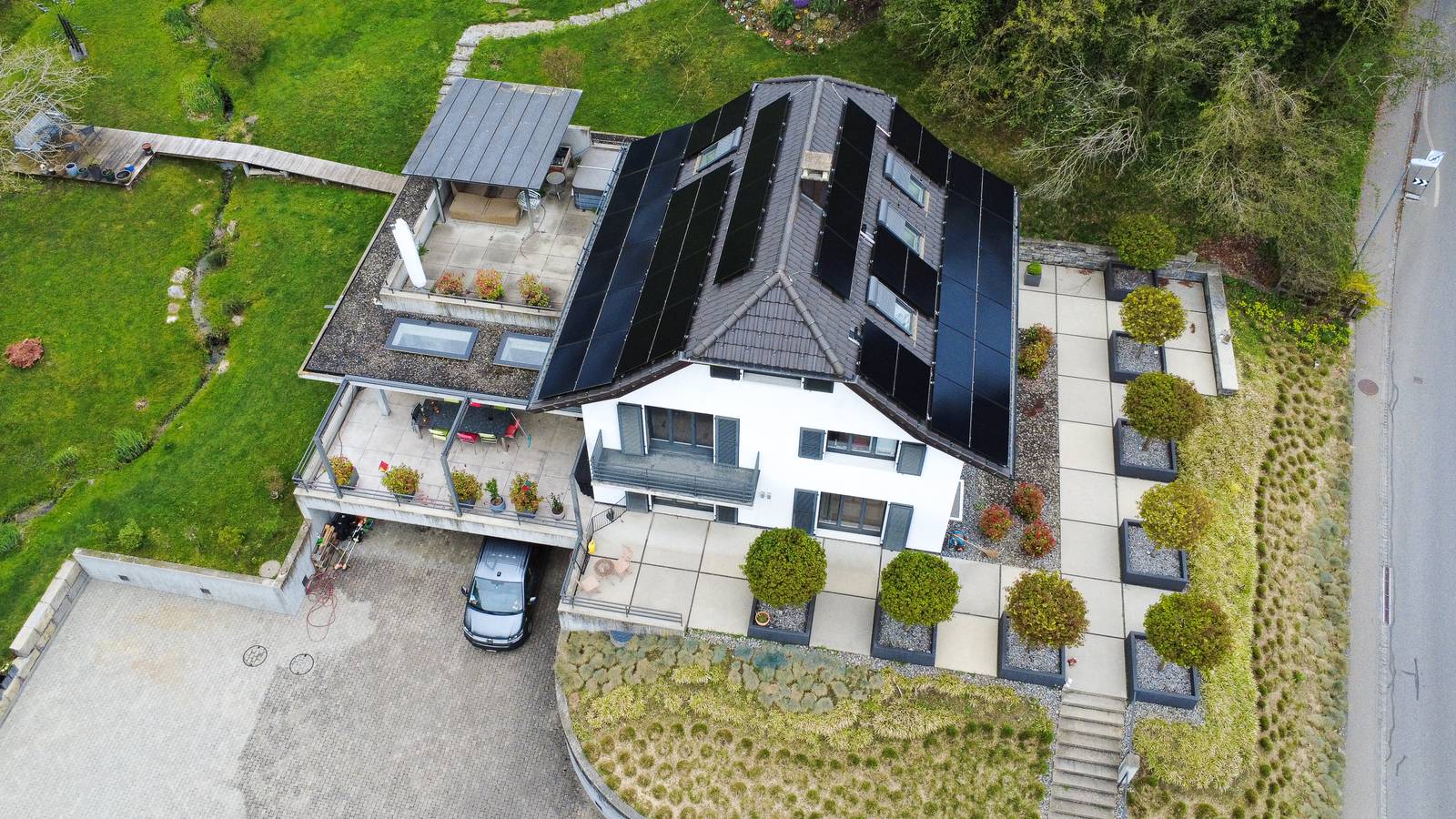
Solar rooftop
Every roof has solar potential. It remains to be seen how much.
Orientation, tilt, shading, household consumption: Younergy studies your roof as a whole before sizing a solar installation.
The benefits
What a solar rooftop brings you.
Reduce your electricity purchases
Produce part of the energy consumed directly by your home.
Increase your home’s value sustainably
A well-integrated solar installation strengthens your property’s energy performance in the long term.
Exploit your roof’s potential
Use an already available but untapped surface to produce your own electricity.
Prepare for electrification.
Have local production to support heat pumps, electric mobility and your future needs.
The potential of a rooftop
A roof is more than just its available surface area.
Two roofs of the same size can have very different potentials.
What distinguishes them can be seen first on the building, then in the habits of the household that occupies it.
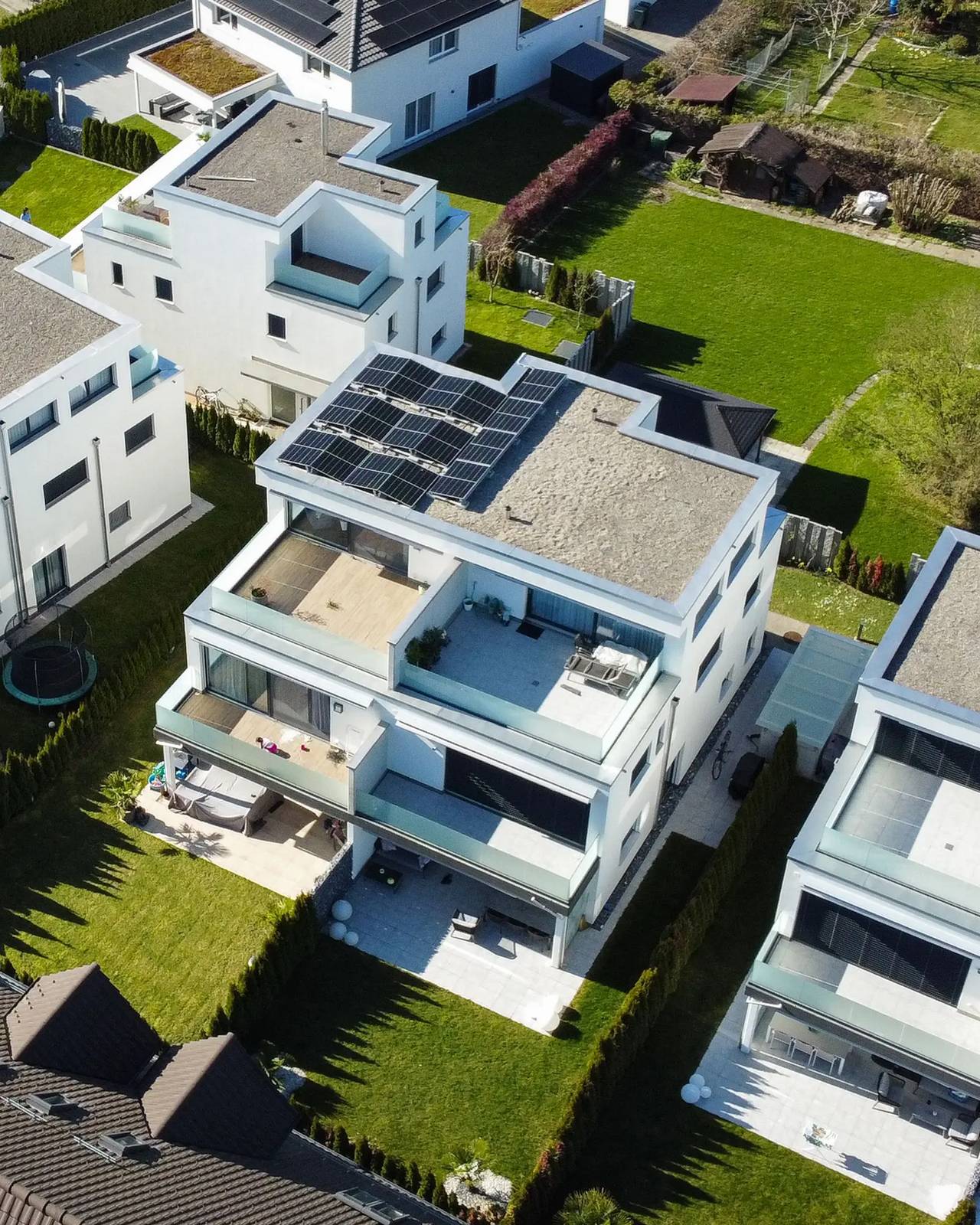
Your installation
Two configurations for your solar rooftop.
For the same production, the self-consumption rate depends mainly on when and how your household consumes.
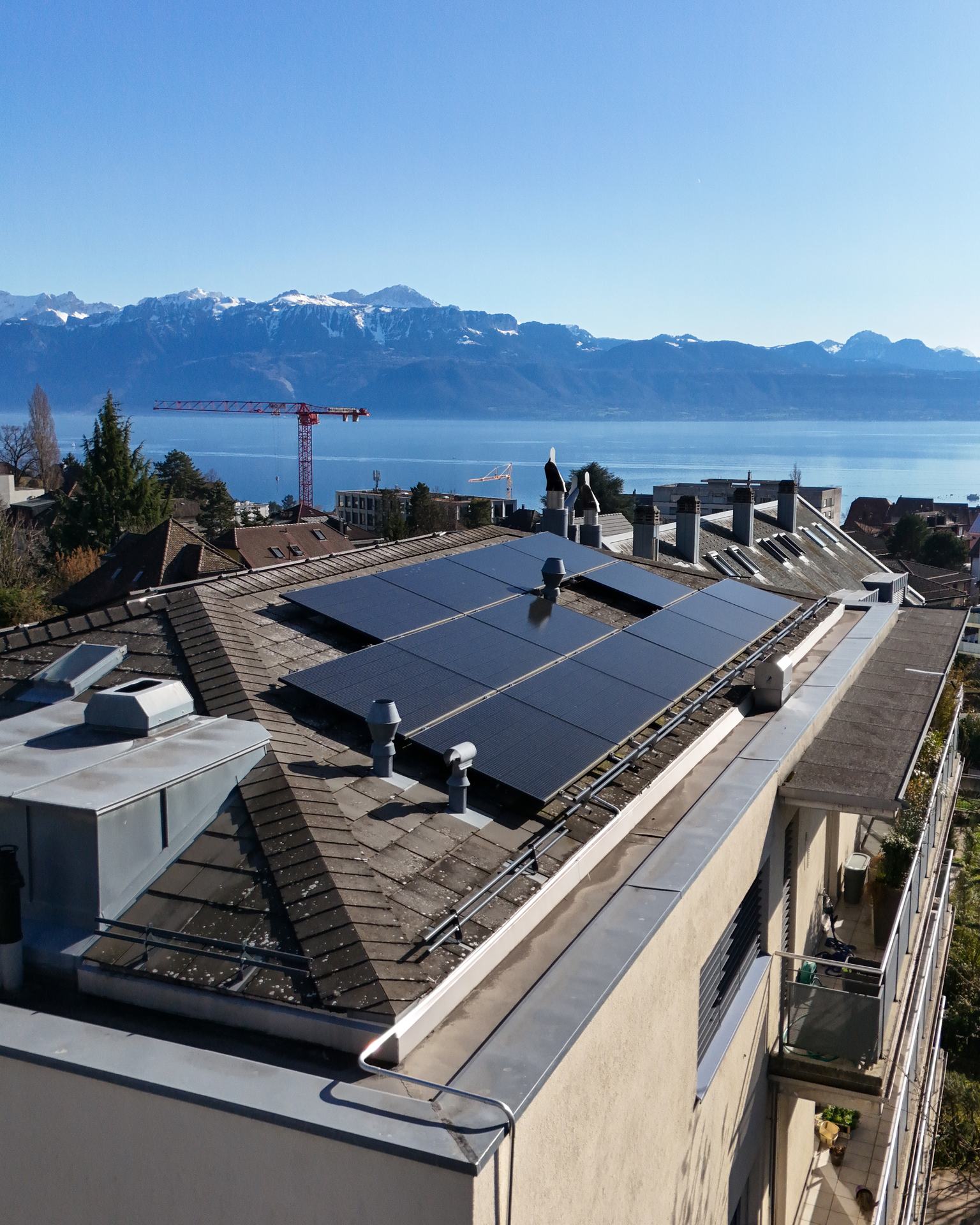
Installation on existing roof
Produce without modifying the covering.
The panels are fixed above the existing roof. A solution particularly suitable when the covering is in good condition and the goal is to add solar without redoing the roof.
Keep your existing roof
The covering remains in place and continues to perform its role. The photovoltaic installation is added to it using a suitable fixing system.
Simplify the installation
Installation generally requires less intervention on the covering than full integration, making it a common solution for equipping an existing house.
Promote module ventilation
The space kept between the panels and the roof allows air circulation under the modules, useful for limiting their temperature rise.
In-roof panels
Integrate panels directly into the roof.
The modules take the place of part of the covering to create a more seamless surface. A configuration particularly relevant during construction or roof renovation.
Achieve a more discreet integration
The panels follow the roof plane more closely and reduce the thickness effect of a classic installation.
Take advantage of a renovation to install solar
When the covering already needs to be replaced, the solar project can be studied at the same time to coordinate the two interventions.
Combine production and roofing function
In a suitable integrated system, the photovoltaic solution participates directly in the roof envelope and must therefore be designed with particular attention to waterproofing and constructive integration.
Orientation and tilt
A south-facing roof is not the only good scenario.
Orientation does not only determine the amount of electricity produced: it also determines its distribution throughout the day. The best choice depends on your roof as much as your consumption habits.
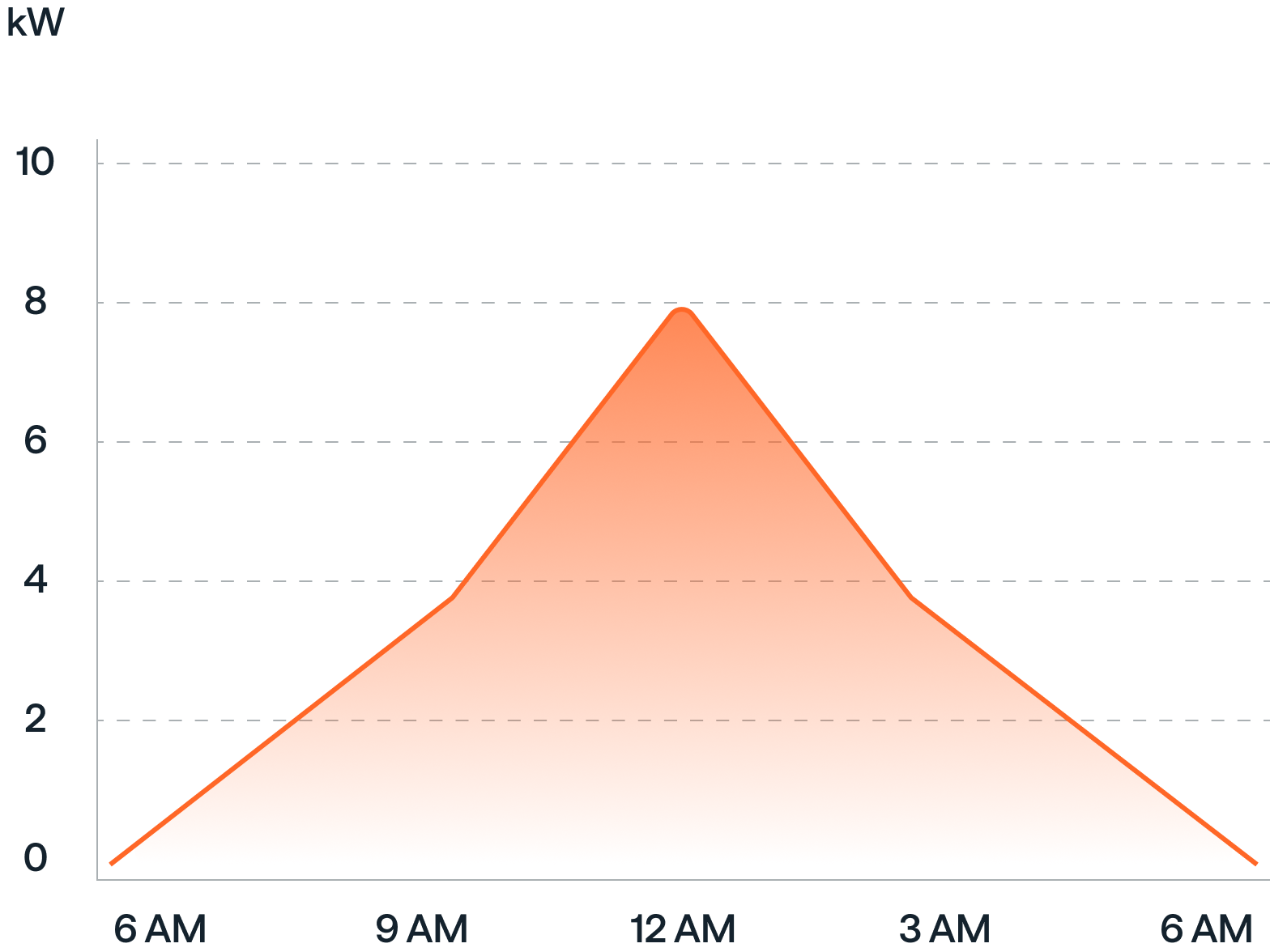
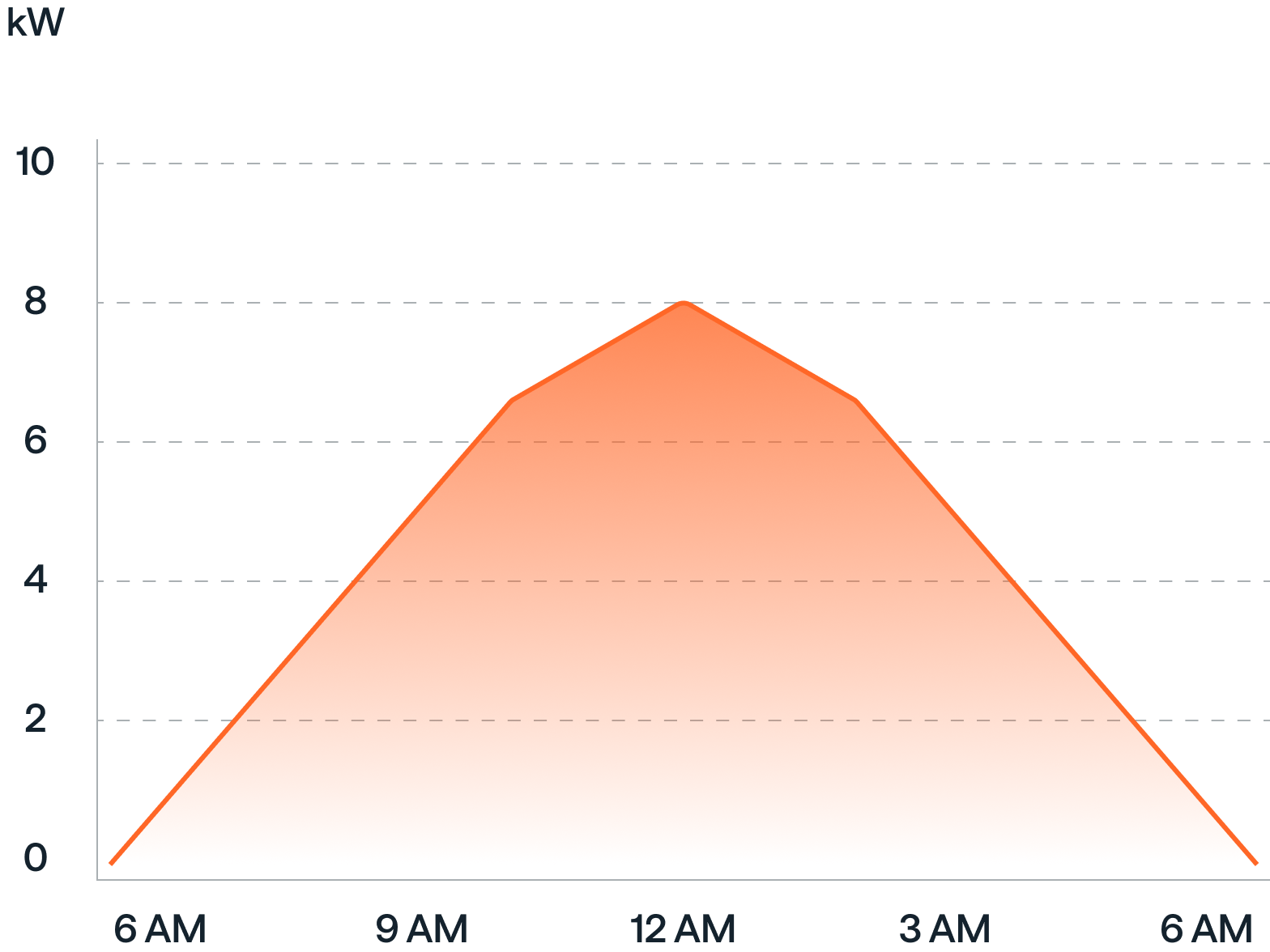
South-facing
Produces the most over a day, with a marked peak in the middle of the day.
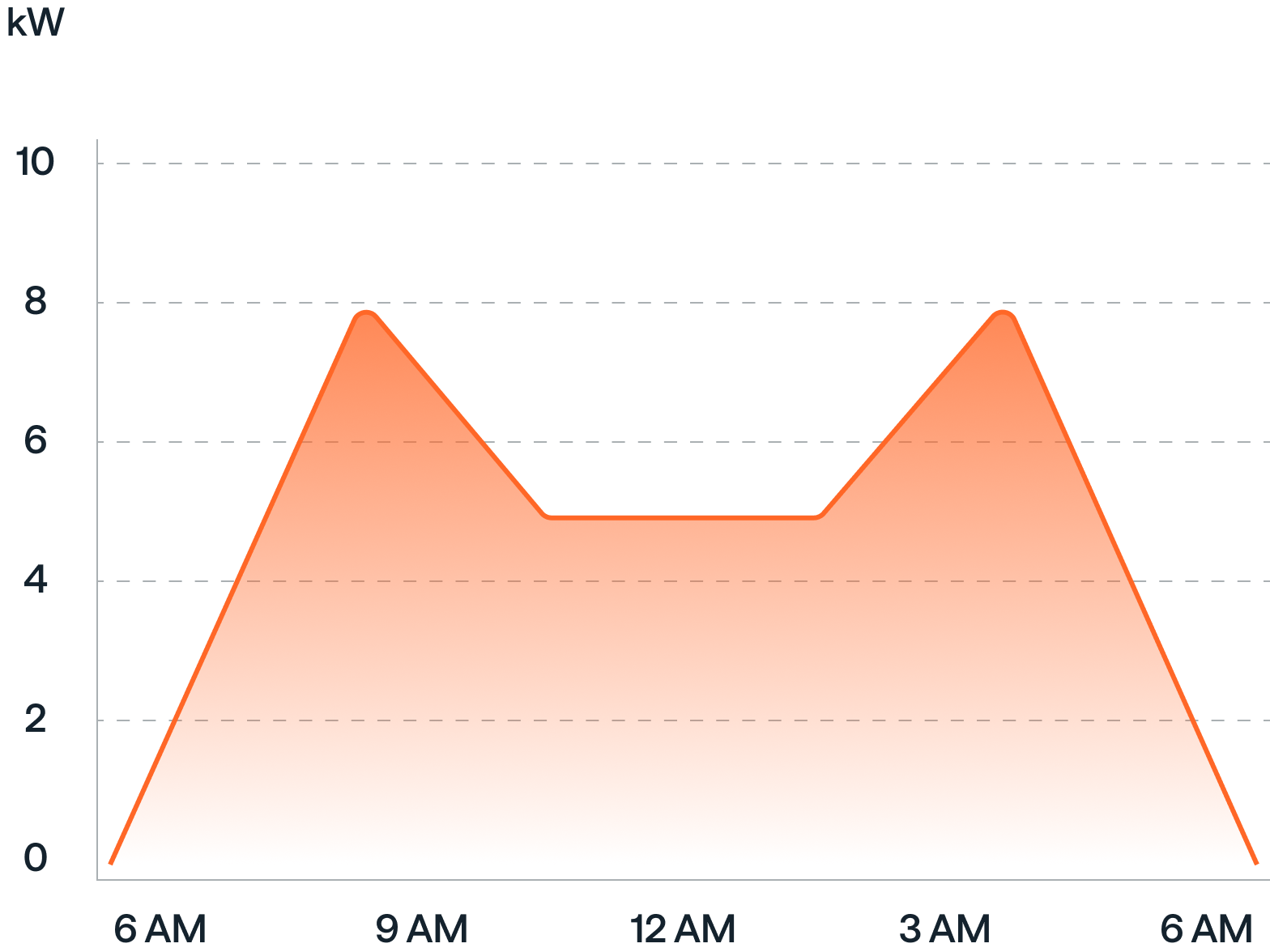
East/west
Spreads production between morning and afternoon, with a lower but more spread-out peak.
Flat roof or multiple pitches
The tilt is created by the support: the orientation can be chosen rather than imposed.
Technical solutions
Solar solutions adapted to each type of roof.
What changes from one roof to another is not the principle of feasibility, but the way the installation is designed and installed.
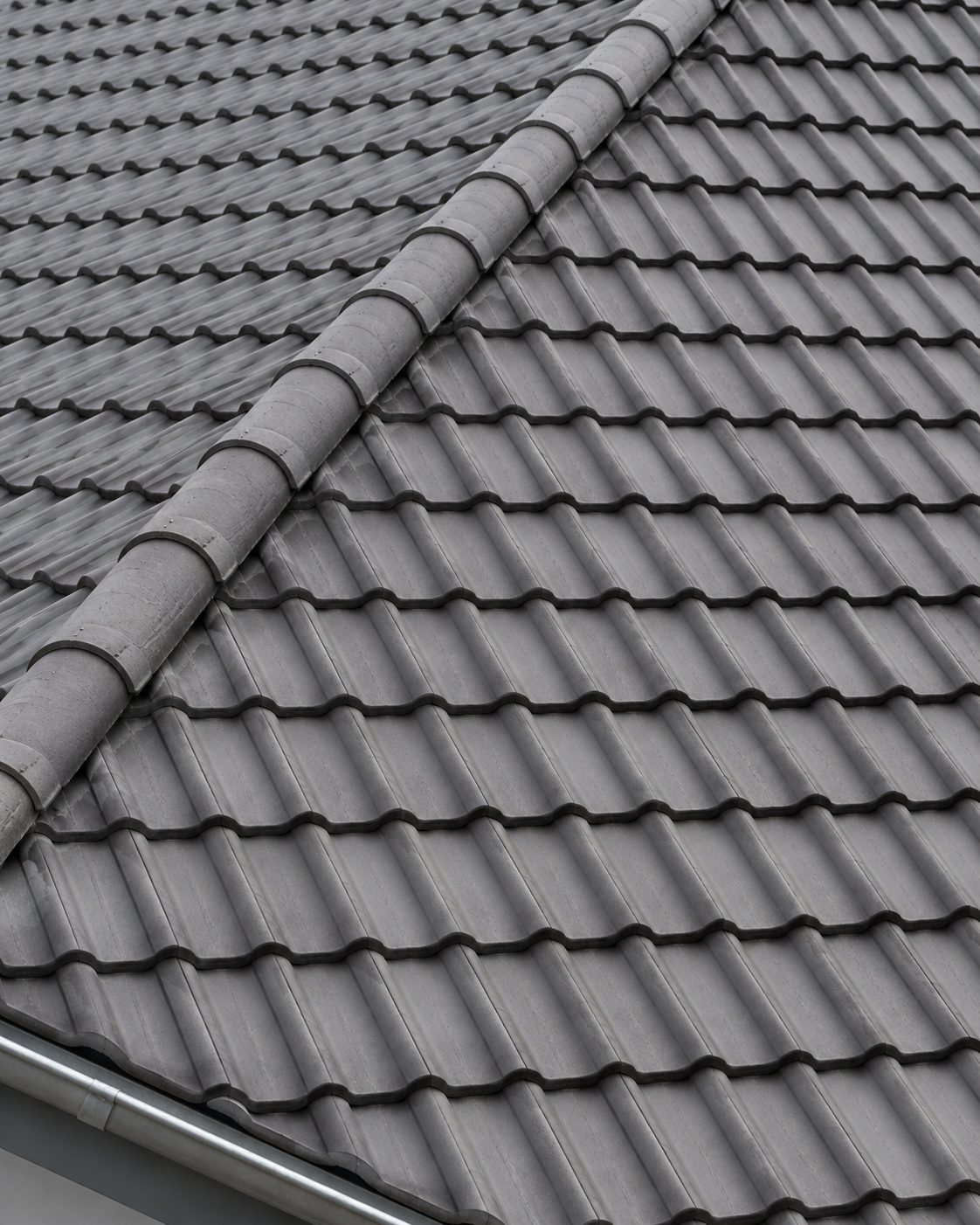
Tiled roof
The panels are placed on rails fixed to the framework, following the existing tilt of the covering.
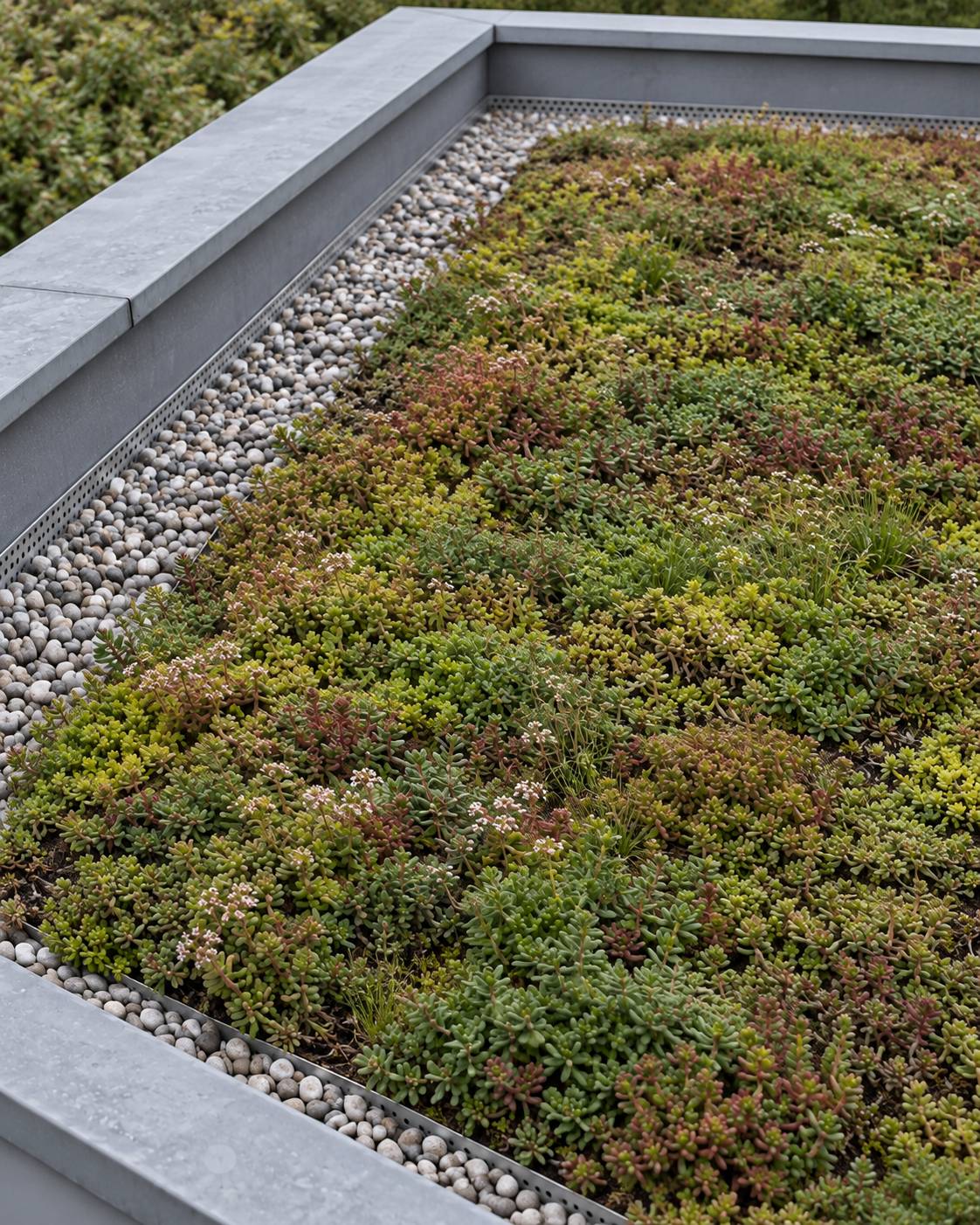
Green roof
Integration remains possible under certain conditions, evaluated on a case-by-case basis according to the structure and type of vegetation.
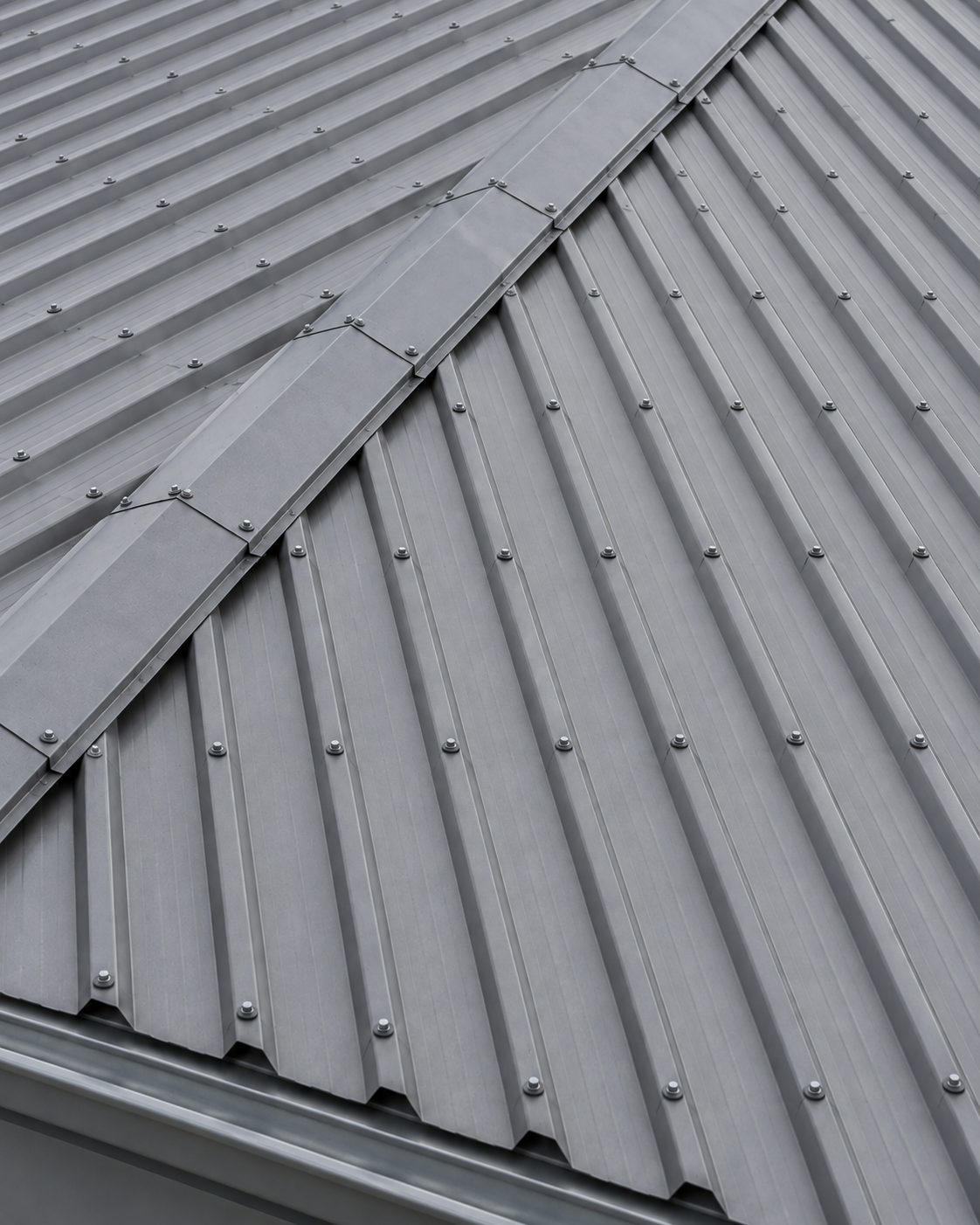
Metal or industrial covering
The fixing adapts to the type of tray or sheet, without piercing the existing waterproofing.
Evaluate your solar potential.
Let’s study your solar potential together.
Orientation, available surface, current and future consumption: a few pieces of information are enough to prepare an initial estimate.
From project to installation
The steps to transform your roof.

Study of the potential, technical survey of the roof and sizing, then administrative and connection procedures.
Installation of the fixing system, installation of the modules and cabling, respecting the building integration defined beforehand.
Installation of the inverter, electrical protections and connection to the existing switchboard.
Checks, activation of monitoring and tracking of production over time.
What if the roof is not ready?
Solar is not always the first step.
The roof is in good condition
A photovoltaic installation is possible today, based on the potential study.
Roof work is planned
It is often more relevant to coordinate the two projects. Find out more on our Renovation page.
A solar installation already exists
The subject then falls under Repowering: modernising the existing rather than installing a new one.
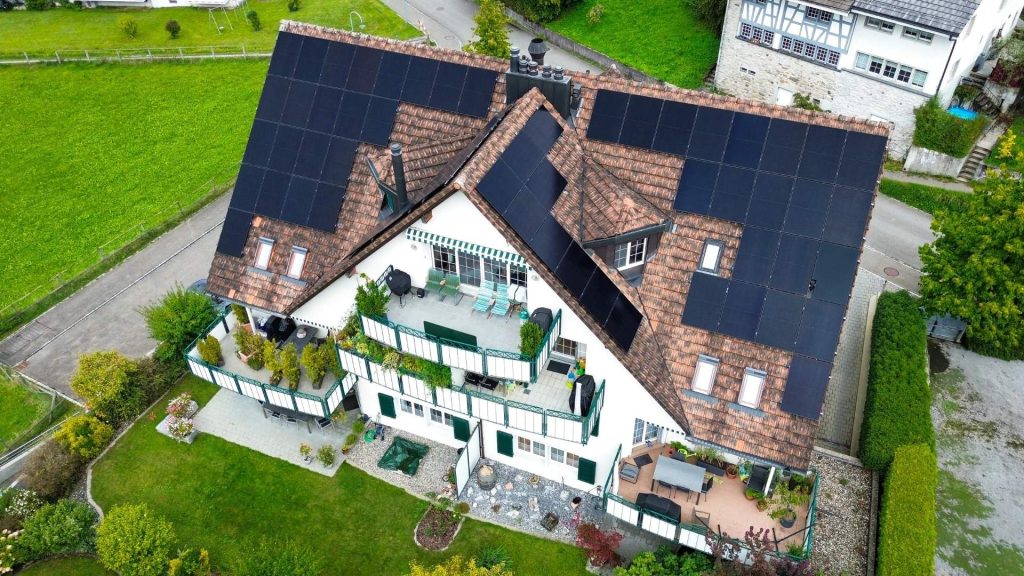
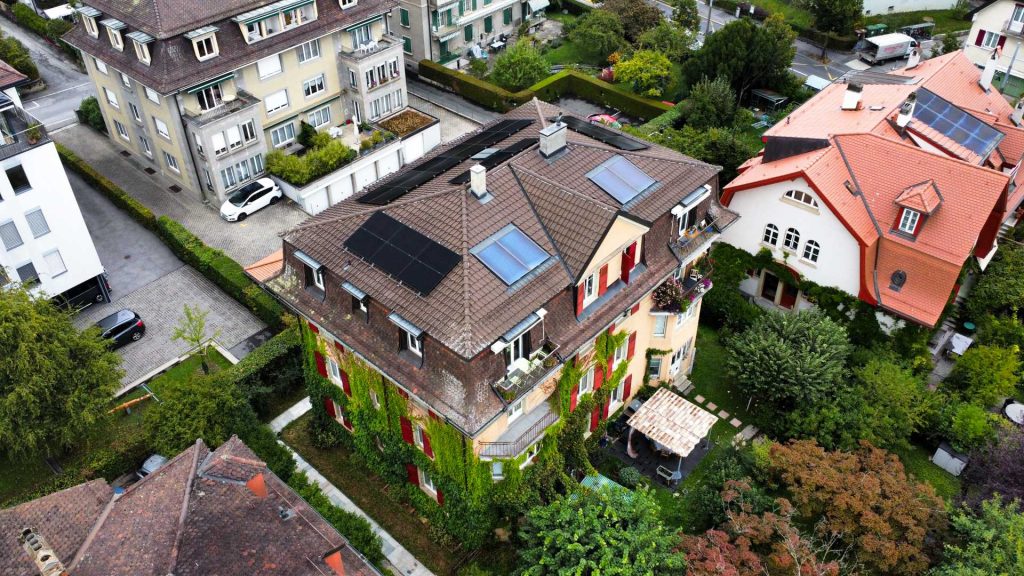
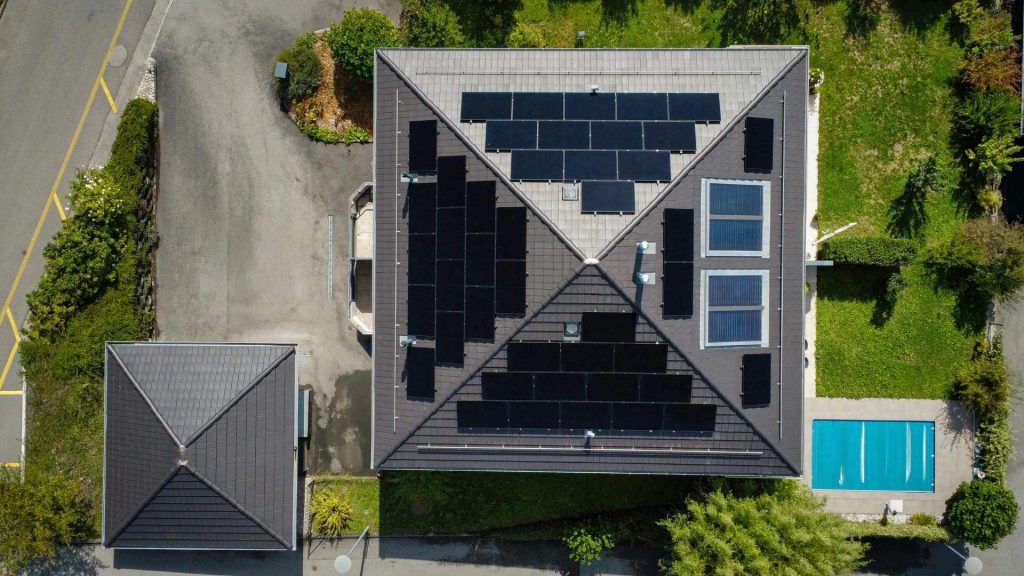
Our projects
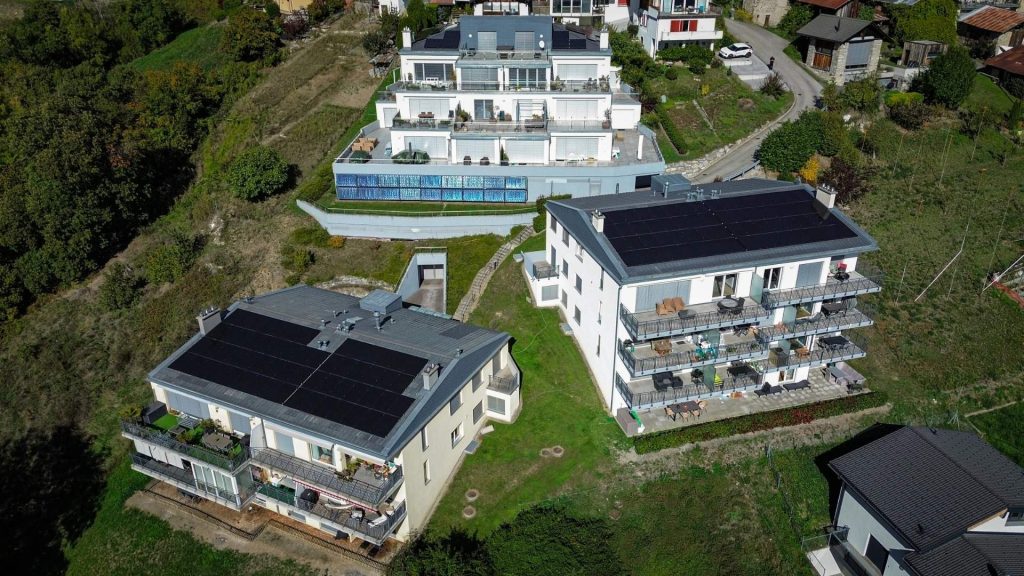
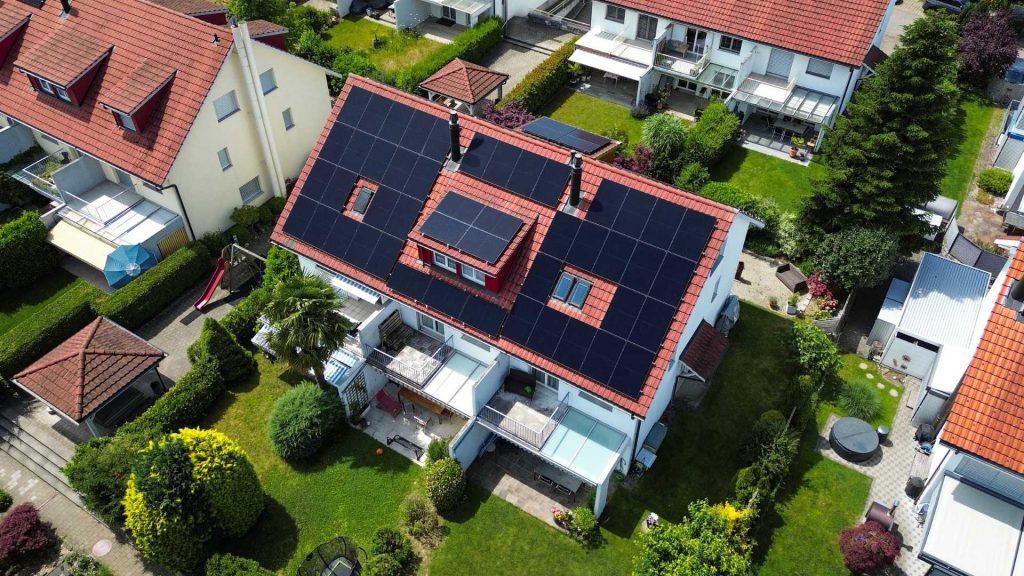
One step closer to energy autonomy.
Our key figures
The Younergy experience
10+
Years of expertise
Born in 2015 on the École polytechnique fédérale de Lausanne (EPFL) campus, Younergy has been accelerating the Swiss energy transition for a decade.
3,800+
Projects completed
More than 3,800 installations completed across Switzerland, serving more local, sustainable and smart energy.
6
Local branches
Teams close to you across French- and German-speaking Switzerland, providing local support at every stage of your project.
FAQ
Most roofs can accommodate a solar installation. What varies is the way it is designed: orientation, tilt, shading, condition of the covering and available surface area determine the real potential, evaluated during a personalised study.
No. A south-facing orientation maximises production over a day, but an east-west configuration can be very relevant depending on the shape of the building and your consumption profile.
This depends on the usable surface area of your roof, but also on your current and future consumption. The goal is not to maximise the number of panels, but to size the installation to your needs.
Production depends on the surface area, orientation, tilt and any shading. A personalised study allows for an estimate of the actual annual production of your roof.
The surplus can be fed into the grid, stored in a battery if you have one, or directed towards a flexible use such as a heat pump or vehicle charging.
Not necessarily. A battery allows part of the surplus to be shifted in time, but its benefit depends on your consumption profile and your goals. It is not a requirement for producing solar electricity.
A guarantee of quality
Our certifications and partners



Thinking about what comes next
The electricity produced is only useful if it is used.
-
Use
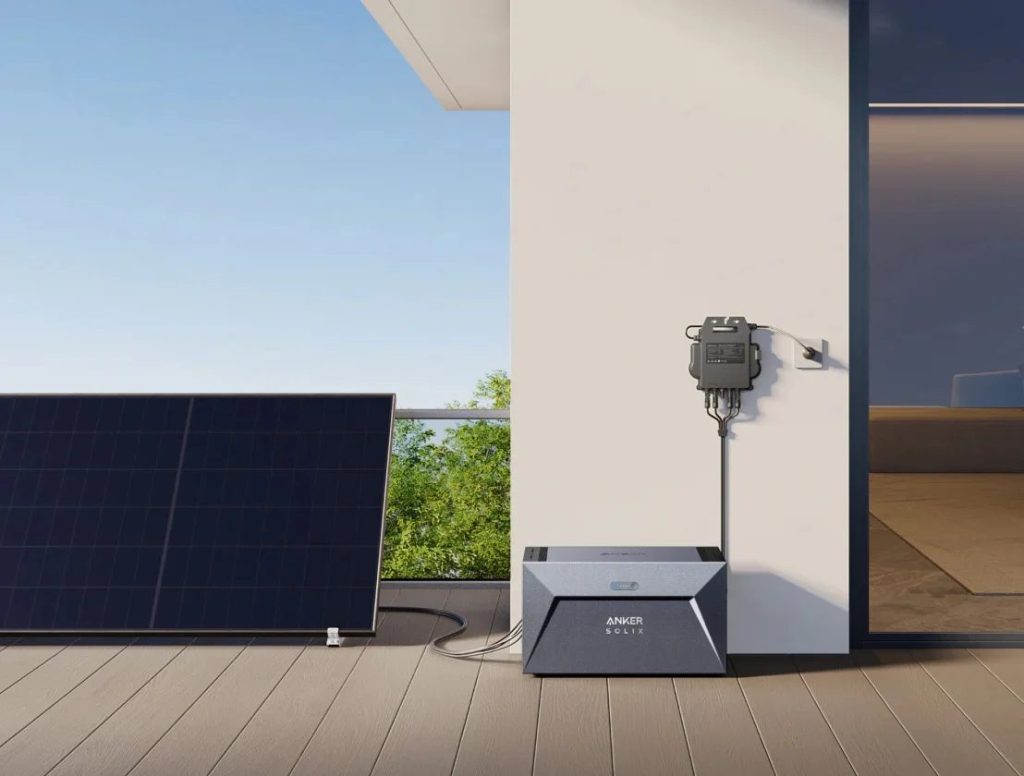
Storage
-
Use
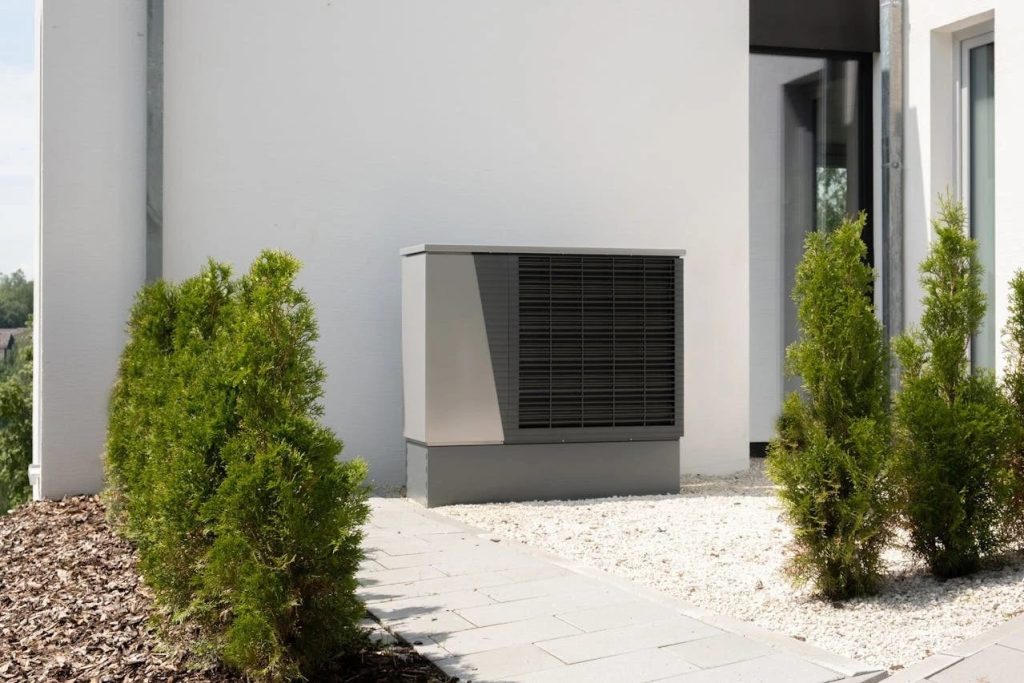
Heat pump
-
Use
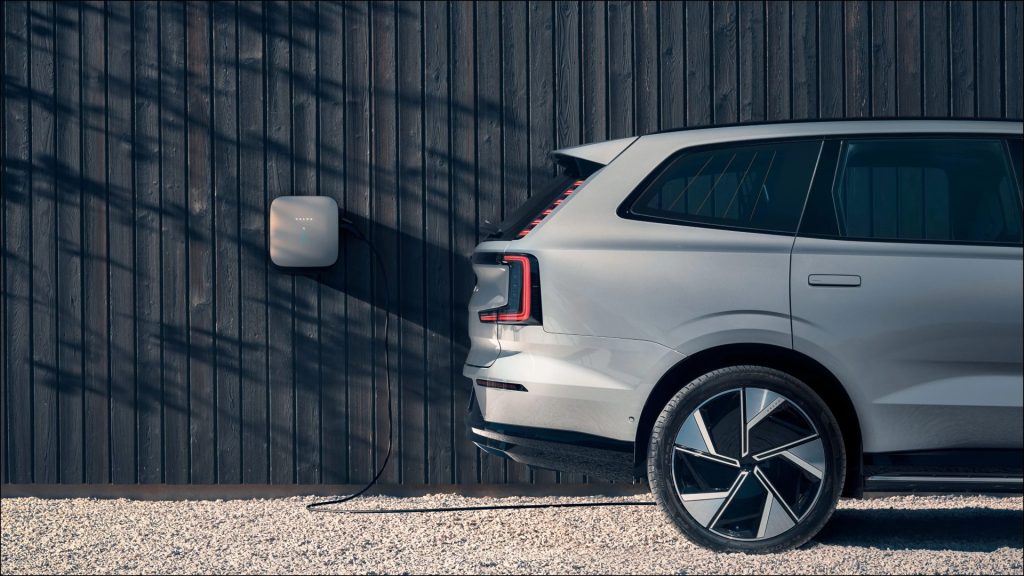
e-mobility
-
Control
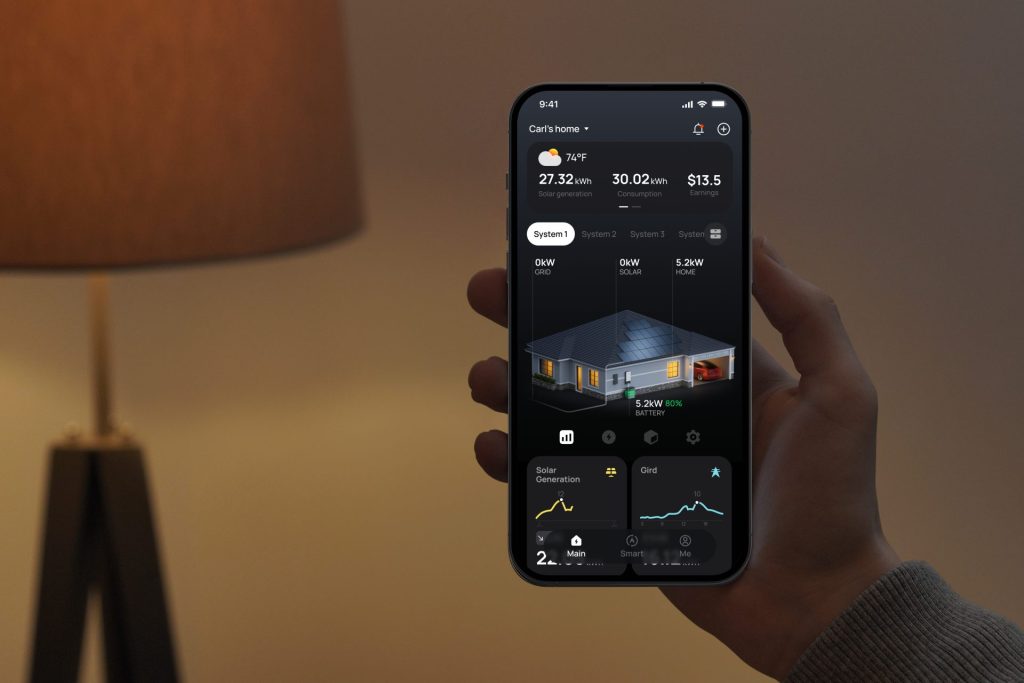
Smart Energy